

Skip to content

Sacred Streets serves people who are at their lowest through face-to-face portraits that restore a vision of value.

Our Why

Feeling unseen negatively effects our sense of worth. On our city streets, many people are overlooked hundreds of times each day. Each person carries a complex story—living with disability, recovering from abuse, navigating mental illness, or rebuilding after systems like foster care, incarceration, or being trafficked. This is who we encounter when we make portraits on the streets.While many organizations provide practical services, we focus on something more foundational: identity. When someone begins to see themselves differently, it can open the door to deeper change.

Our work is founded in the biblical call to care for those who are overlooked and vulnerable. Throughout Scripture, we see invitations (over 2,000) to reach out to the marginalized. Jesus demonstrated this as he extended his hands to suffering people in his daily ministry.

Through slow, relational portrait drawing, we spend time with each individual—listening, learning, and creating a visual reflection of who they are. When the portraits are displayed they invite the public to encounter each person in a new way. The first relational portrait was created in 2011 with the first exhibit in 2013. 

The Outcome

There are fruitful outcomes of this movement. The relational portrait approach gives people affirmation, connection, and vision for a more life-giving path. Some take significant steps forward—entering recovery, going home to reconnect with family, or pursuing long-held goals. Others simply walk away seeing themselves with clarity and worth.

We don’t do this work alone. Sacred Streets partners with local organizations and rescue missions to help connect individuals to the broader support systems needed for long-term stability and healing.

By the outset of 2028 we will be consistently working with over 25 artists to create hundreds of portraits annually. Through multiple street gallery exhibitions each year, we will be engaging thousands of viewers—inviting them to see beyond stigma and recognize the sacred value in every person.

We are a non-profit movement completely funded through the generosity of people like you who believe in this mission.

About Jason Leith

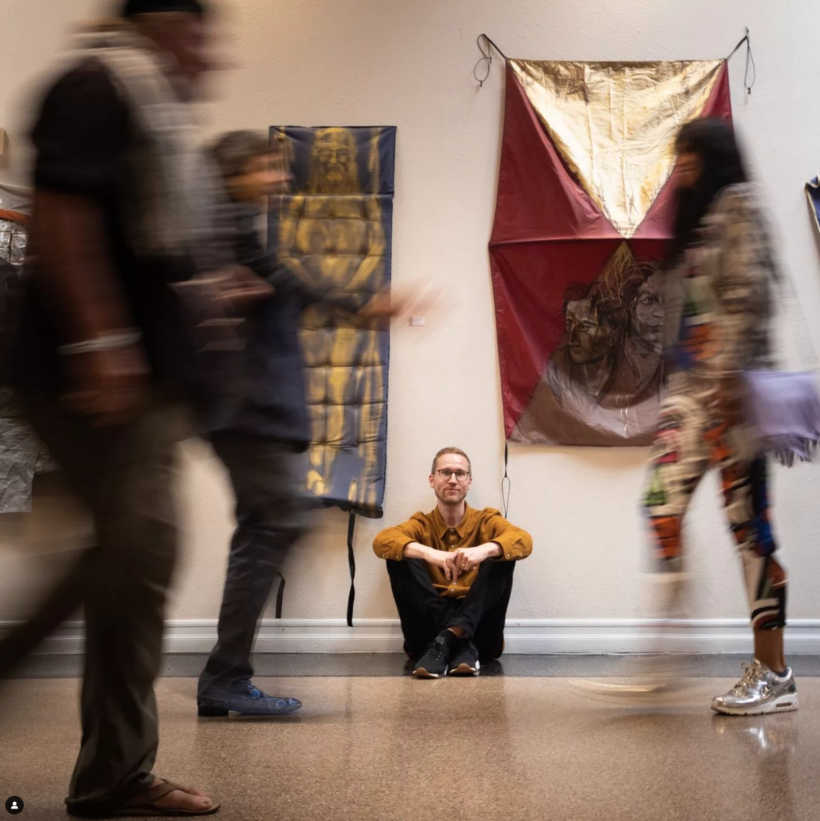
Sacred Streets is the culmination of all my life experiences, passions, and training and relationships. At seventeen years old I started asking if I really wanted to commit my life to being an artist and why. Making art was a skill, but I feared it would sacrifice my desire to also connect with and serve people. It did not take me long to realize that I could combine my passion for art and people in socially engaged art. The very first vision I had of this intersection was to connect with the unseen people of society through making their portrait.

I have committed to the slow process of drawing by hand because there is no immediate capture of a person’s image. Instead, both the subject and the artist sit with each other for extended periods in a slow-paced environment. It is uncomfortably and wonderfully personal. I am a socially engaged artist who strives to create connections between those who would normally remain separate.

One could easily point out the problematic nature of a person of my social position bringing the arts to vulnerable communities. However, I see that the tools and experience I have been given can be of service. I’ve seen my approach bridge understanding, and affirm inherent dignity. I approach the places and the people I engage with by listening first. I ensure to create long-term connection with organizations that can serve them for years to come.

I am based in California and I am regularly working in Orange County, Los Angeles, and San Diego. The areas I’ve worked in most are Skid Row, Casa Blanca in Riverside, Santa Ana, La Mirada, Tustin, Lake Forest and Orange.

For 12 years, I directed a community of hundreds of artists to grow and serve together at the renowned 20,000 member Saddleback Church, called Saddleback Visual Arts. My role was to cultivate this community and guide them forward as a visionary, pastor, and organizer. Our community of purpose driven artists thousands of lives in those twelve years and helped create a global model for how artists in the church can thrive. 

I have received a Master of Arts (MA) in Global Leadership with an emphasis in Art & Theology from Fuller Seminary. I have also received a Bachelors in Fine Arts (BFA) from Biola University, minoring in Business Administration and graduating from the Torrey Honors Institute.

— Jason Leith, Founder

Based in California

FAQ

What happens with each portrait is unique to the person and their preferences. We love being able to give the portrait to the individual, but for those living outdoors and carrying everything they own, this isn’t always practical—especially with larger pieces. For smaller paper sketches, we always offer them as a gift to take.

If someone chooses to keep their portrait, we document it so we can share it digitally and in exhibits.

Some people are able to take their larger original portraits. One woman, after moving into stable housing, asked for hers and has had it hanging on her wall for over 10 years.

Larger found-object portraits are often exhibited locally and nationally, helping carry out our mission of reframing identity. In some cases, we do not share a portrait at all if the person prefers to keep the process private.

Our approach depends on the context. On Skid Row or in areas like Santa Ana, we often walk the block and wait for an interaction to occur organically. Someone might ask, “What are you doing around here?” or “You want to buy this bike?”—which opens the door for conversation. From there, we share that we’re offering portrait sessions as a way to tell their story.

Other times, we initiate the conversation: “Hey, I’m an artist—I noticed you have a great style. I’m making portraits today if you’d like one.”

Sometimes people say no, but most of the time they say yes.

Often, as a session wraps up, a small group forms of others hoping to participate. We frequently return to reconnect with those individuals.

When working with rescue missions, staff may invite individuals they think would appreciate the experience, and the artist works with those who choose to opt in.

Yes. When a portrait sells, the funds go toward sustaining the work of Sacred Streets. While we don’t provide direct cash payments, we do support individuals in tangible, need-based ways.

For example, we funded a wheelchair for a woman who needed reliable access to medical appointments, and we helped another individual retrieve his dog from the pound.

When we’ve done portraits in partnership with a Rescue Mission, we’ve allowed the organization to give the portrait to the person and/or display that story on their walls to encourage others. They also may choose to auction the artwork as a way to raise funds to go back into helping their organization sustain the good work. The auctioned piece may go to encourage the family who felt connected to that story or be donated back.

Yes—staying connected is a high priority and a vital part of Sacred Streets. When possible, we keep in touch by phone, though this can be challenging for those without consistent access or who are frequently moving.

We are still in connection with several individuals we first met in 2013. We love to join up for things like Thanksgiving dinner or a birthday visit.

A portrait sketch will take one to two hours. This face-to-face session is the most important part of our “relational portrait” process where we get to look one another in the eye and share stories. When we create larger portraits out of found objects, it takes about two weeks of studio time (anywhere from 30-60 hours).

The Street Gallery we constructed on Skid Row was located on San Julian Street, in a back lot of the Union Rescue Mission. They allowed us to borrow the space for the installation.

Although it appeared substantial, it was a temporary structure. It took five days to build and was open to the public for another five days.

We hope to create more Street Galleries in the near future as a core expression of Sacred Streets, both locally and nationally.

Advisory Team

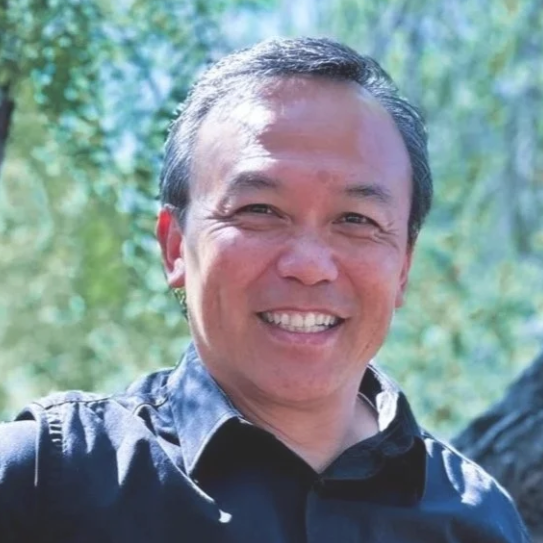
Rev. Dr. Tim Yee

Tim has served four different churches over 27 years, most recently as Pastor of Carmel Presbyterian Church in Carmel-by-the-sea. Prior to that he was Pastor of Union Church of Los Angeles that gathered a diverse group of downtown professionals and homeless while serving on the Board of Directors for both Union Rescue Mission and the Joshua House in Skid Row. Tim completed his doctoral dissertation, “Finding Your TruCenter” at Fuller in 2021 and then joined the team at Motivations AI in 2023 to guide the launch of TruCenter, the first story-based assessment that reveals God’s giftedness through each person’s unique intrinsic motivations. Book him for a coaching session at drtimyee.com
Steven Homestead

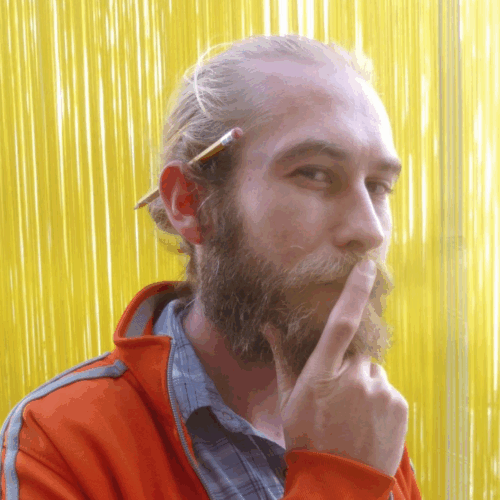
Steven Homestead brings genre-spanning creativity to life in music, community art projects, writing, and curating generative programs. Across his many roles, Steven works to promote honor, champion voice, share wonder, and develop unity. As the former President of the American Composers Forum of LA, Steven worked to support the development and appreciation of new music. He’s led numerous projects for Saddleback Visual Arts, where he served as one of the ministry’s leaders for over the past decade. In 2023, he co-founded the Network of Christians in Visual Arts (NCVA), an arts organization that is creating international connections for those in the world of visual arts. stevenhomestead.com
Katherine Leith

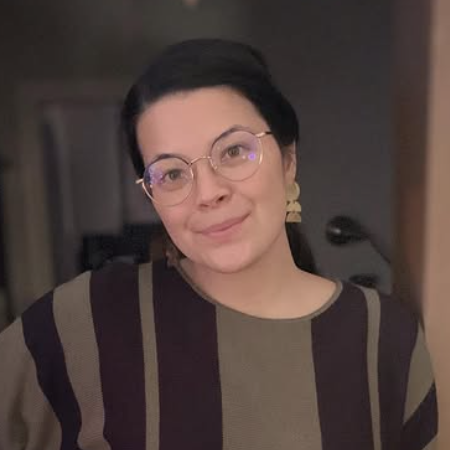
Katherine is a special education teacher, artist, and mother. She earned her BFA at Linfield College where she explored printmaking, installation, and the poetry of landscape. She went on to get her teaching credential from California State Long Beach. She and Jason met in 2015 doing arts ministry together and have been married since 2017 and have two daughters. Her passion for seeing equality in the social fabric finds expression in how she advocates for her MM students in her Title 1 school in Garden Grove.
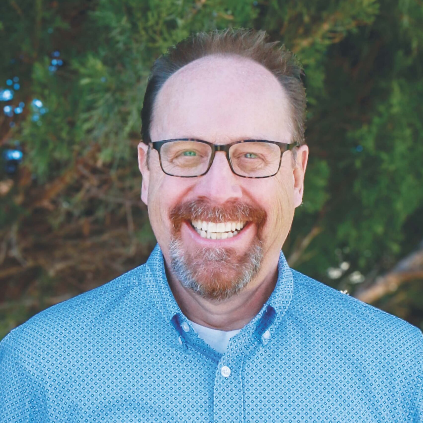
Sam Edwards

Sam is currently the director of Business Development at Citygate Network . He was previously served as Senior Director of Programs at a rescue mission in Chicago, overseeing the startup of a multiservice resource center and the expansion of an overnight shelter from 60 to 330 guest per night. Prior to that he was Vice President of Poverty Reduction for Catholic Charities of Central Colorado. Stints with Young Life and the American Cancer Society are also in his portfolio. Meari, his wife, is a teacher; their daughter is a college student. A longtime Presbyterian church elder, Sam is an avid mountain biker and skier. He and Meari can be found on the trails and in the trees throughout Colorado all year long.
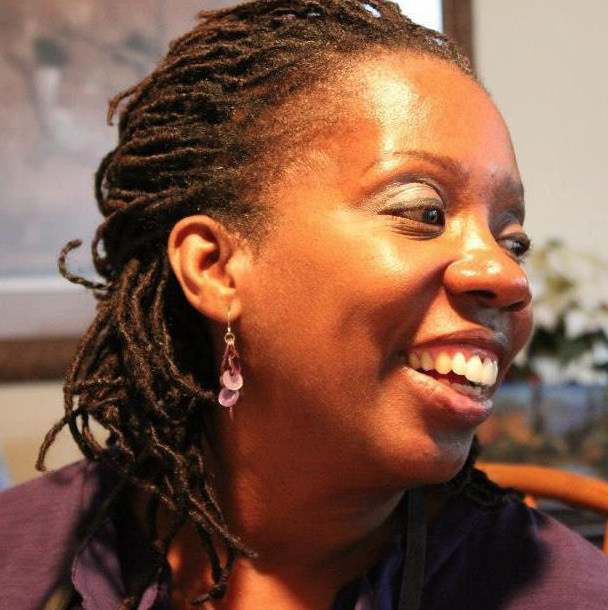
Dee Cox

Dee is an advocate for underserved communities. She recently retired from a lifetime career as an education specialist. Her passion for service has led her to involvement with Saddleback Church's Gospel Choir, Saddleback Visual Arts, and recently Immigrants Are Welcome Here. She and her husband Bill are thoroughly enjoying this life season of being grandparents in Orange County, California.

Connect with Sacred Streets