Homeless Services Orange County 2025

Want to be more empowered to help someone when you see a need? Here’s a Resource sheet for giving assistance to those in the Orange County Area.
It can help with questions like:
    • Where can i send someone for immediate food or shelter in my city?
    • What time and day are food distributions?
    • Where can someone go for long-term housing?
    • Is there help for someone having a mental health crisis near me?

Click Document to View

Sections

  • Food Pantries
  • Medical
  • Drug Rehab
  • Mental Health Crisis
  • Clothing/Shower/Resources
  • Emergency Shelter
  • Housing (Long Term)
  • Employment
  • Outreach

Cities

  • North Orange County
  • South Orange County
  • Central Orange County
  • San Juan Capistrano
  • Brea
  • Santa Ana
  • Anaheim
  • La Habra
  • Irvine
  • San Clemente
  • Laguna Niguel
  • Fullerton
  • Orange
  •  Huntington Beach
  • Westminster
  • Mission Viejo
  • Rancho Santa Margarita
  • Tustin
  • Cypress
  • Costa Mesa
  • Placentia
  • Garden Grove
  • Lake Forest
  • Laguna Beach
  • Huntington Beach
  • Fountain Valley
  • Midway City
  • Stanton
  • Buena park

State of Homelessness in Orange County 2025

State of Homelessness in Orange County

Over the past month, I’ve been ensuring that I’m up to date with the latest research and progress on helping people who living in poverty in Orange County. I’ve attended events and done a fair share of reading. Here’s some key takeaways of what I learned from dozens of leading voices.

State of Homelessness Address (from United to End Homelessness). Statements from Vincent Sarmiento (2nd District Supervisor), Katrina Foley (OC Board Supervisor), Tim Shaw (Continuum of Care), and more

  • Key Takeaway: As a “housing-first” advocates, their first goal is to simply get someone housed. However, long-term low income housing is short in supply, expensive to build, and slowed by delays among collaborating sectors. It costs more to serve someone unhoused than to pay for their housing.


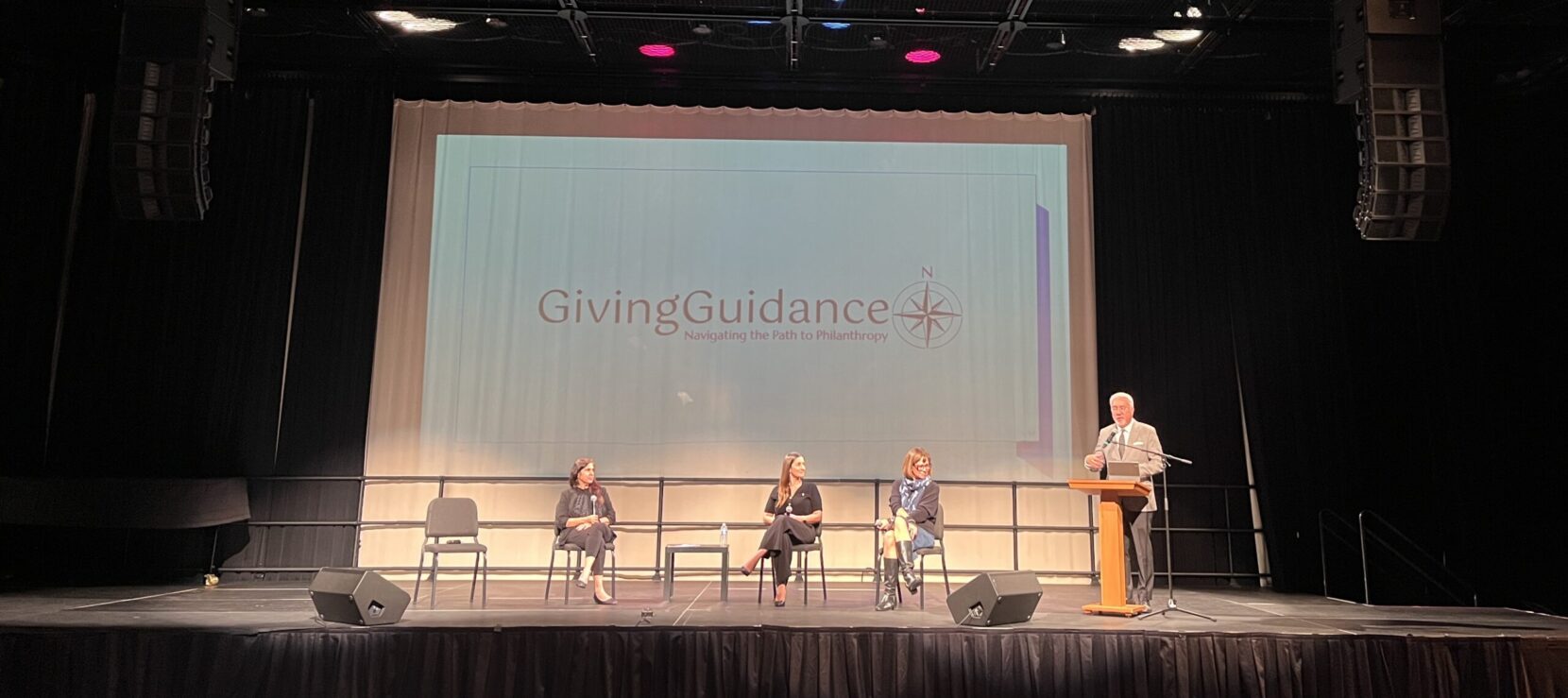
Giving Guidance to End Homelessness. A panel discussion from the CEOs of Second Harvest, Illumination Foundation, and Families Forward.

  • Key Takeaway: similar to the above, they see the path as providing housing as a basic right, but wait times and delay in development hinder progress.


Americans with No Address Documentary. Film on the faces of homelessness and different approaches to helping across the United States.

  • Key Takeaway: The US Federal Approach to homelessness is not working (so-called harm reduction programs and lack of mental health care). The holistic care programs of Rescue Missions show hopeful results.

Video | Robert’s Life Change

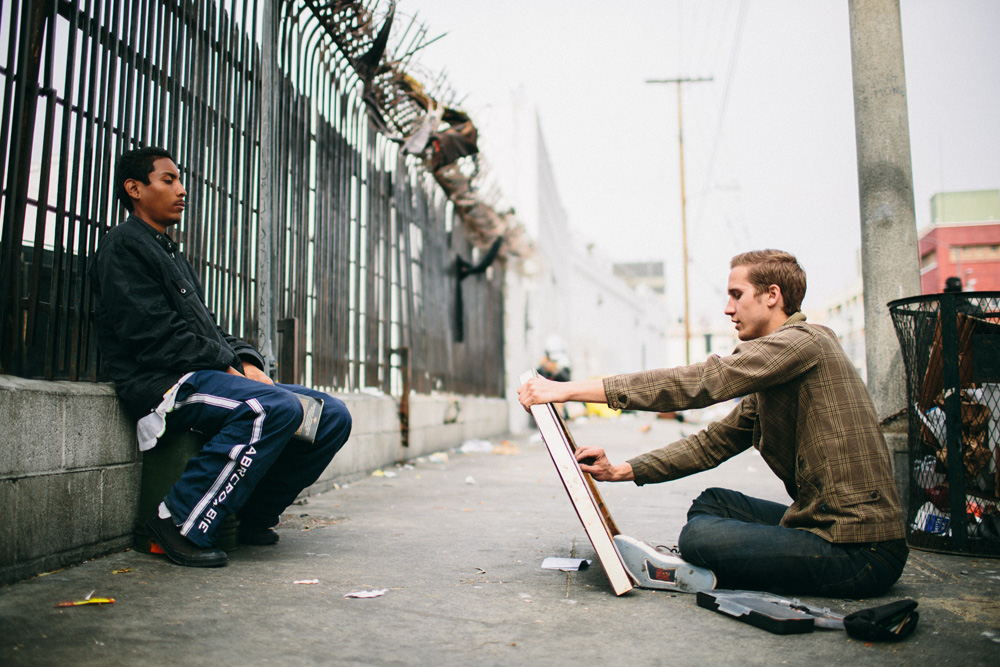
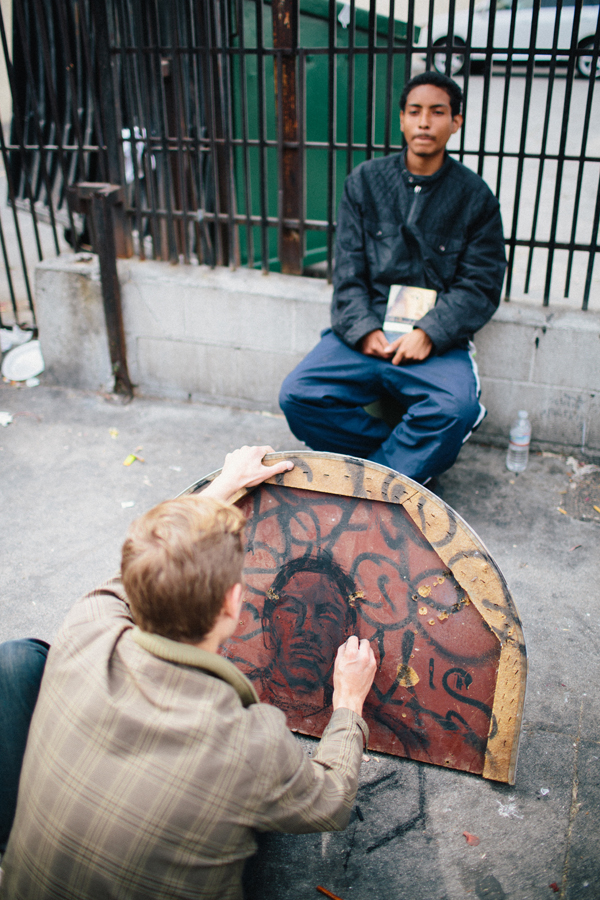
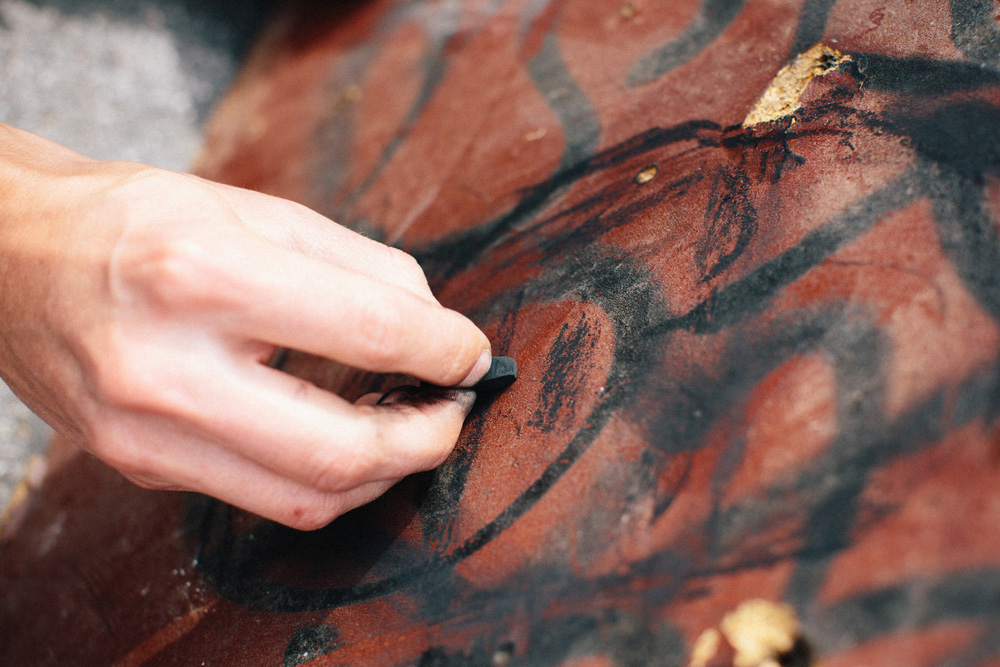
Jason Leith’s creative process began with drawing live portraits on the sidewalk. See this process as Leith draws the portrait of Robert, a man who had lived life on Skid Row with a drug addiction for decades, and how it sparked life change.

John

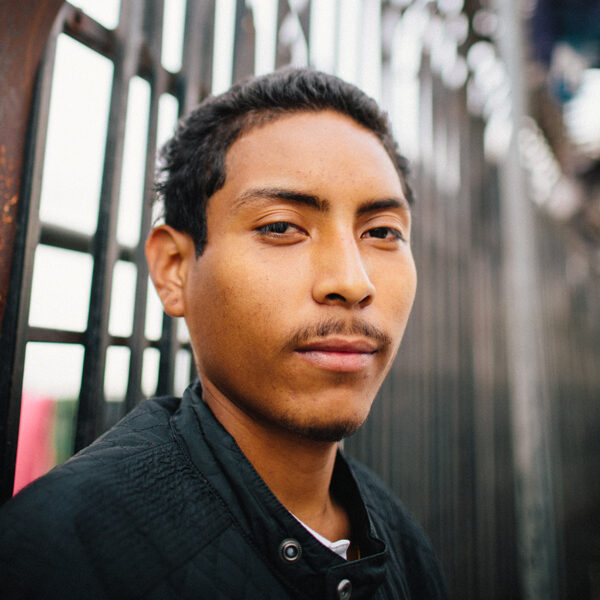
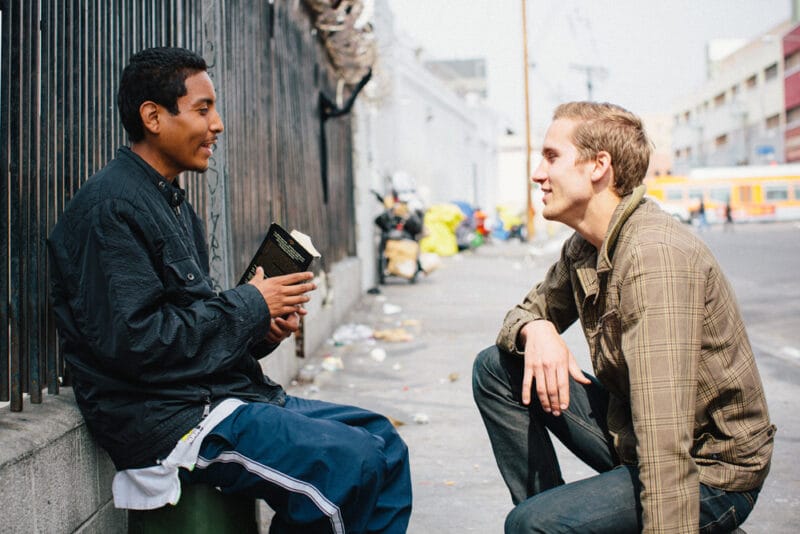
John is a kid, like me. He loves to read, which is an anomaly on Skid Row that he gets ridiculed for. And he wants to be a chef. Or a butler. He has a dream of going to culinary school and learning to cook his favorite American cuisine. But culinary school feels very inaccessible to him right now. He doesn’t have enough hope that it could ever be possible, and he doesn’t know where the push could come from that would get him off the streets and into school. A week after doing his portrait, I heard John finally decided to make his way back home to his family, something his skid row buddies were trying to convince him of for nearly a year.

John  by Jason Leith

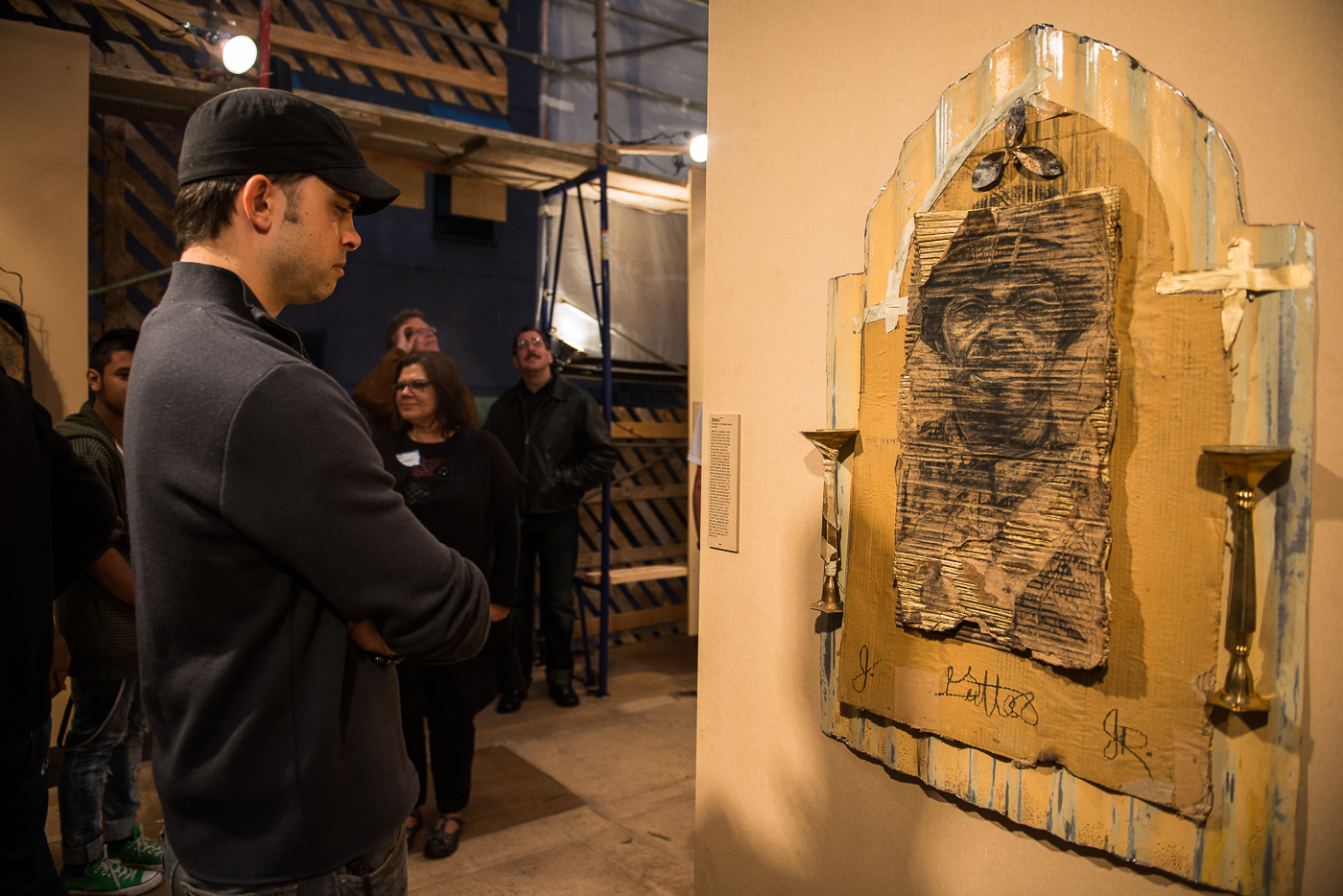
found table, metal, charcoal, etching

available for purchase

Robert

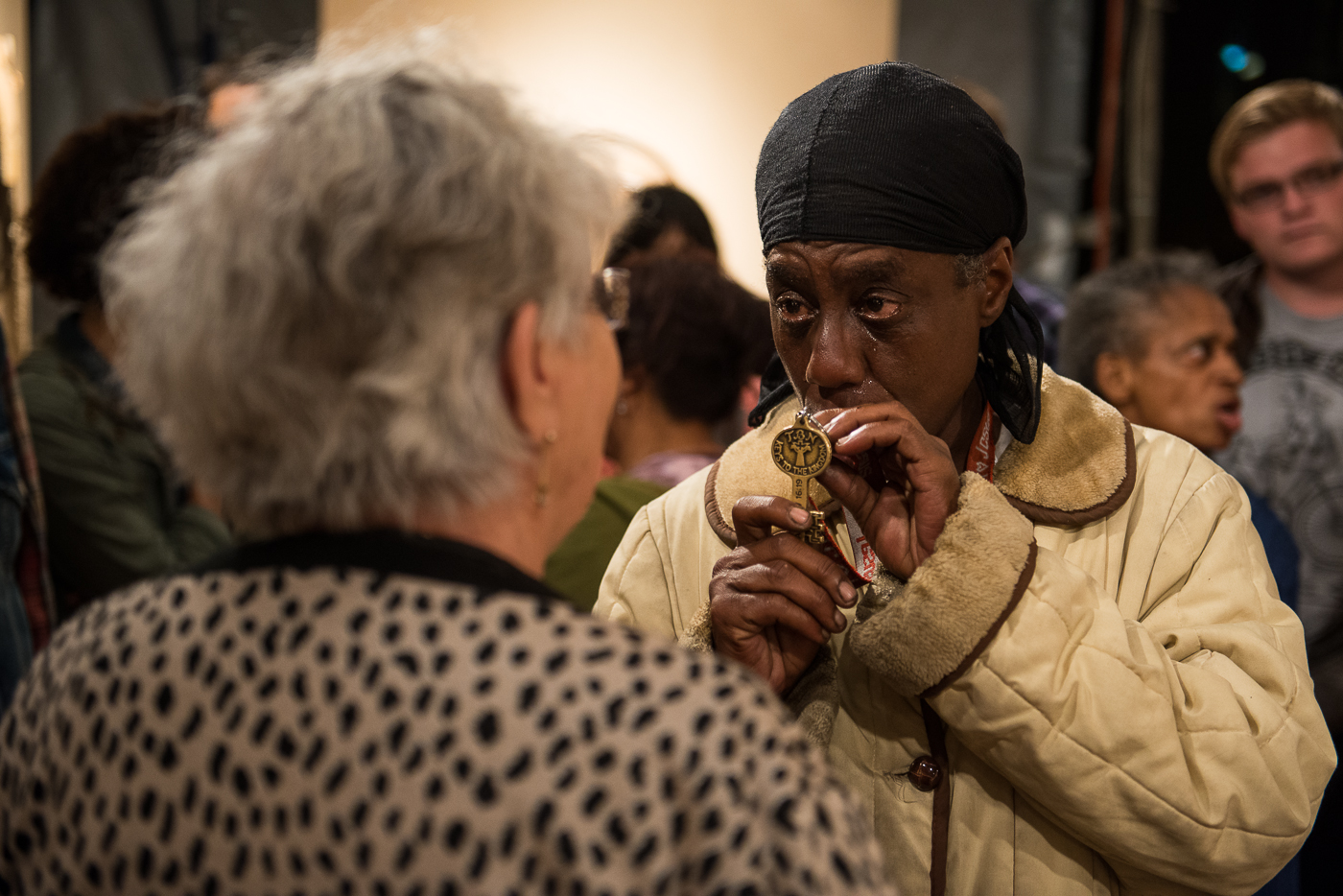
Robert is an overcomer. Virtually seconds after meeting Robert, he told me that the number one thing that he wants to communicate to the world is the horror of crack cocaine. He lifted up his shirt to reveal scores of large, swollen, red lesions on his torso, a problem caused by drug usage, which he wanted me to depict in his portrait.  As I showed Robert how I was going to place my drawing so the holes in the paper become his scars, I told him that if he is trusting in the right source of power, he can turn his body, scars and all, into a powerful story of redemption. He fixed his gaze at me from under his weathered brow and his distinctive headphones, and reiterated that he wanted to get this message out to the world to avoid crack. A week later, Robert called me from a rehab center, and told me that because of his portrait, he had checked himself in and had been clean for 48 hours, for the first time in decades. Robert  by Jason Leith found paper, charcoal, etching, gold pen SOLD, Private Collection, Michigan Jason@sacredstreets.org

Roberta

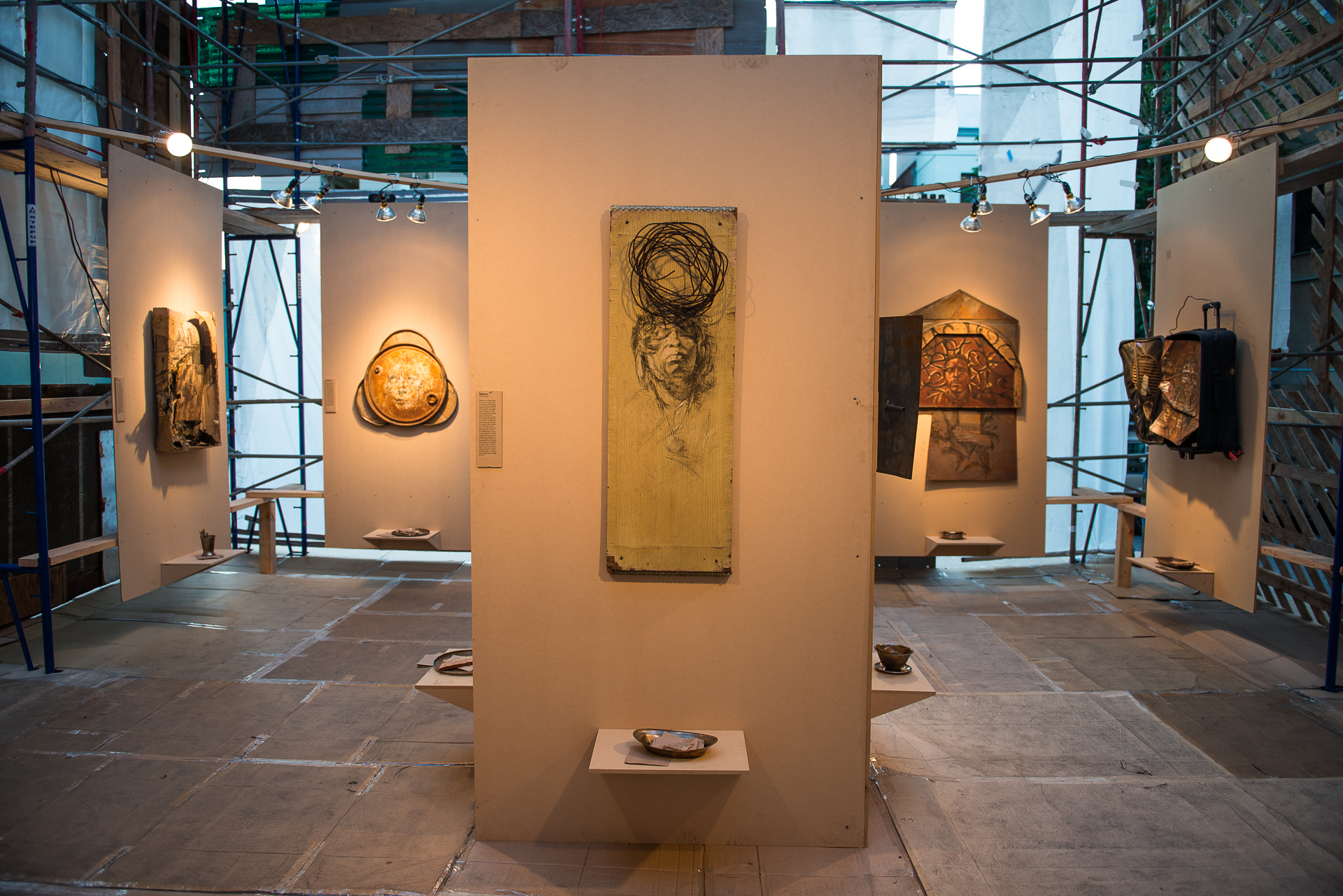
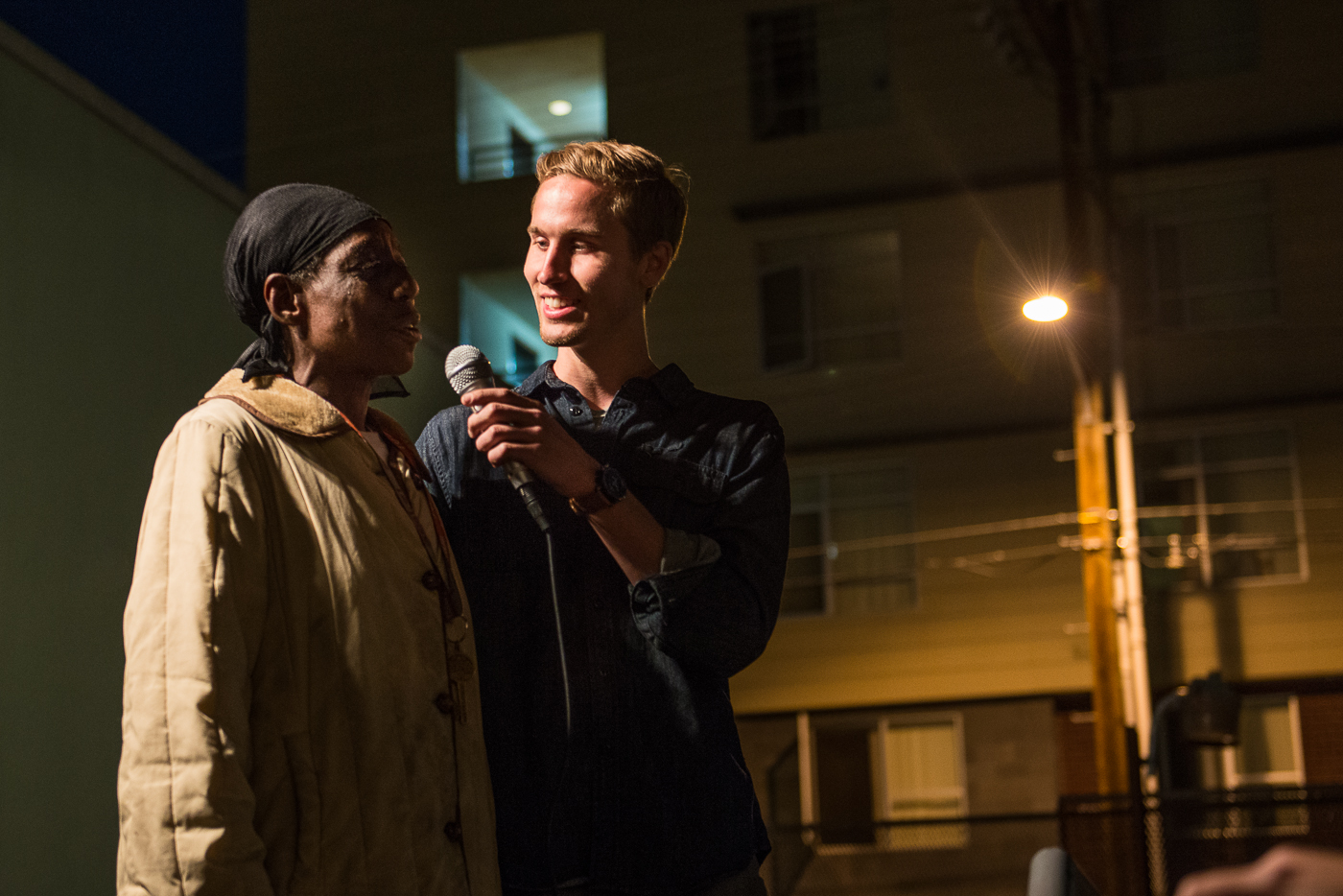
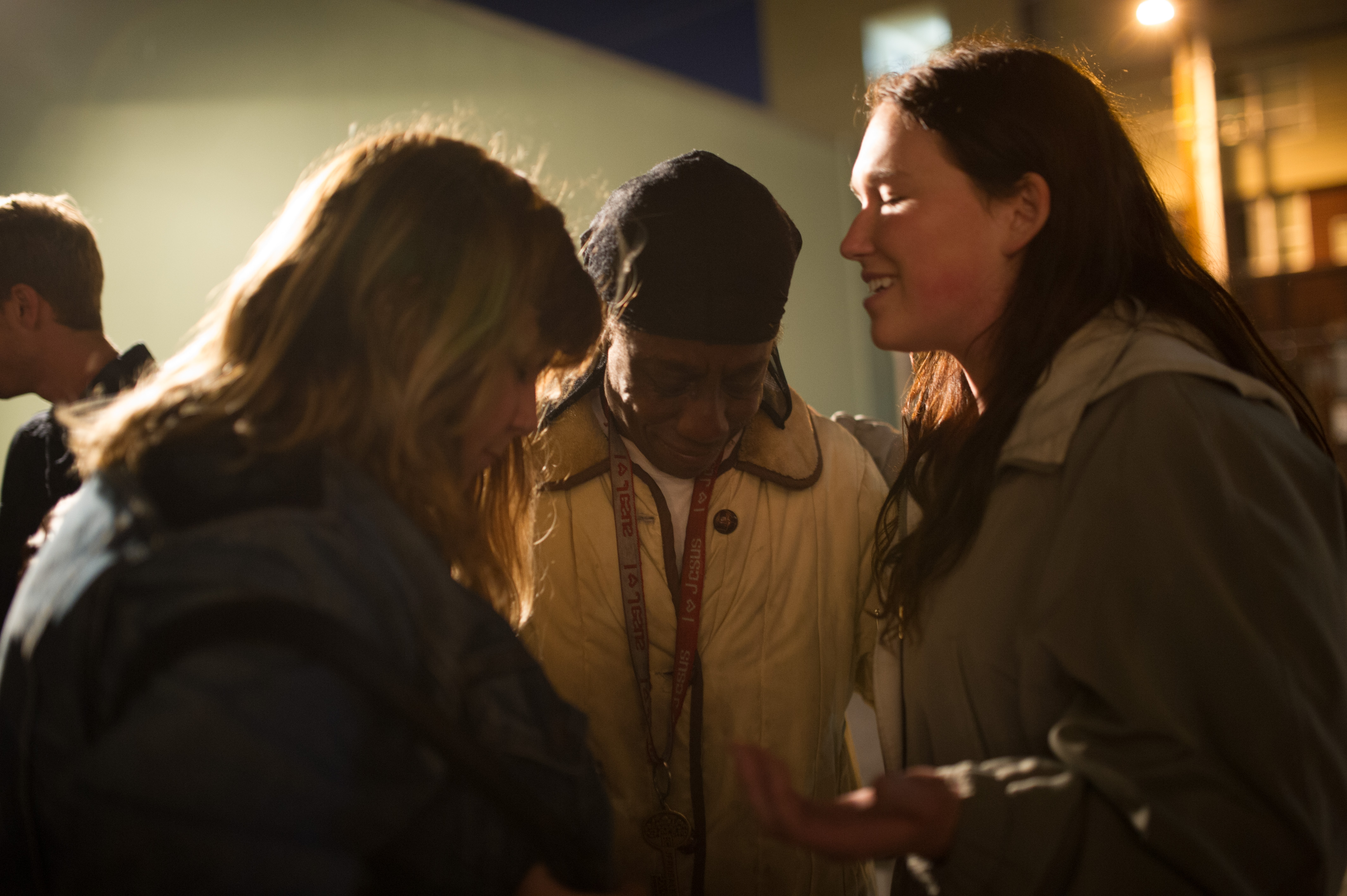
Roberta is a resilient warrior. Over the years, she has felt like the devil was out to destroy her, waging battles against her using her former life of prostitution to capture her. But she says she has the three spirits of God on her, and the wounds of Christ in her feet, and God’s call on her life is winning the battle that rages unseen in the spirit world around her. Prostitution no longer has a grip on her, but substances do. She and her husband live in a tent on the sidewalk, but she’s looking forward to having a place soon and getting off the streets. Roberta is a big personality; to describe her I would use words like buoyant, joyful, positive, spiritual, friendly, self-confident, overcomer.  She has careful rituals that make her feel beautiful, and she feels chosen and protected by God.

Roberta  by Jason Leith

found table, metal, charcoal, etching

SOLD, Private Collection


KCET Article on Sacred Streets

https://www.pbssocal.org/history-society/sacred-streets-skid-row-as-an-art-source

By Ed Fuentes

Photos by Helen Ly

May 10, 2013

Downtown Los Angeles has always had a conflicted personality. The border — a statement of economic value dividing urgent nomadic residency — has shifted. In many ways it makes Skid Row even more concentrated than a decade ago, when at night it extended out to Pershing Square.

Artists have often used Skid Row as source material, using the theme that the status of its residents doesn’t change; they are easily forgotten.

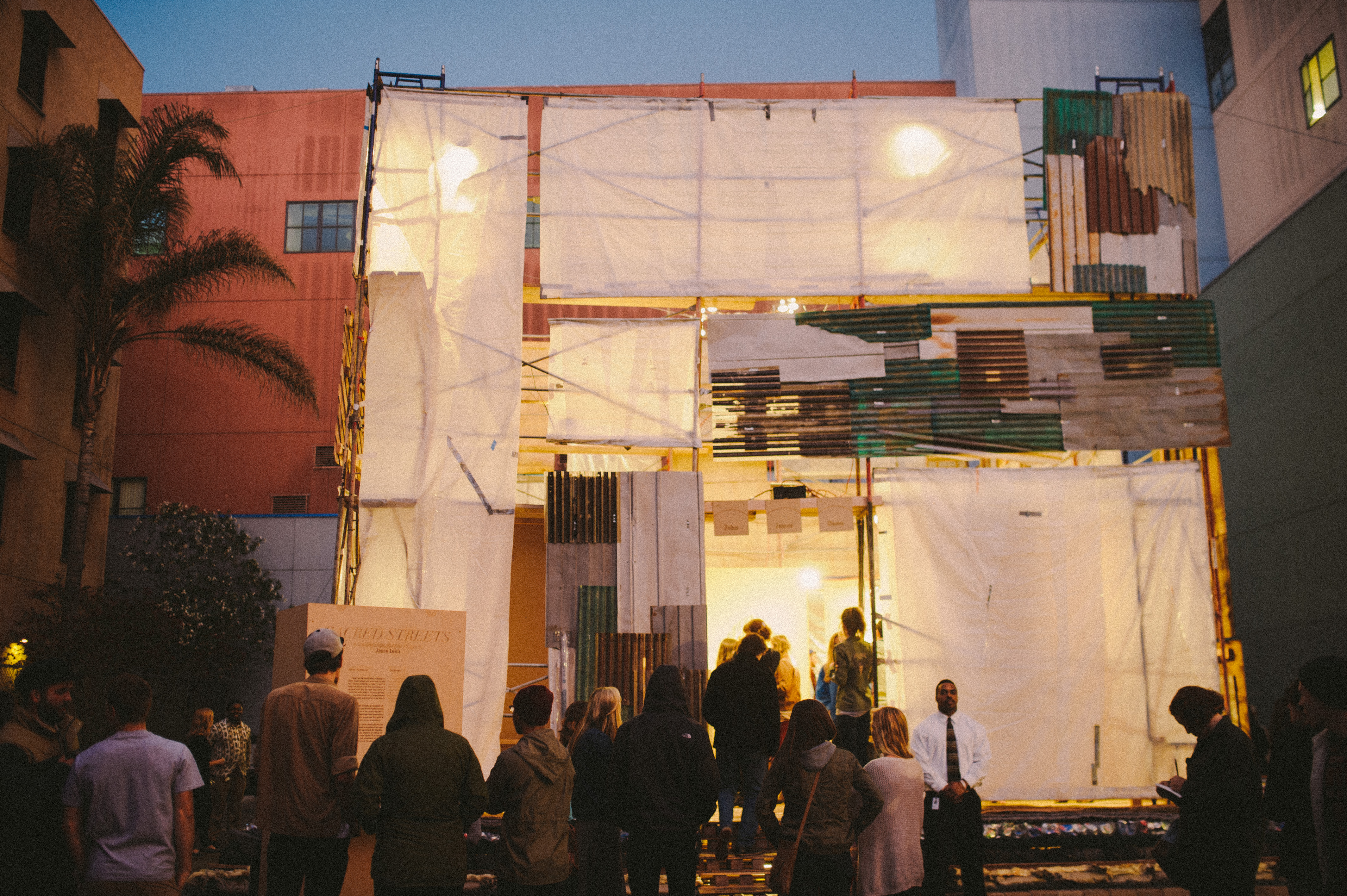
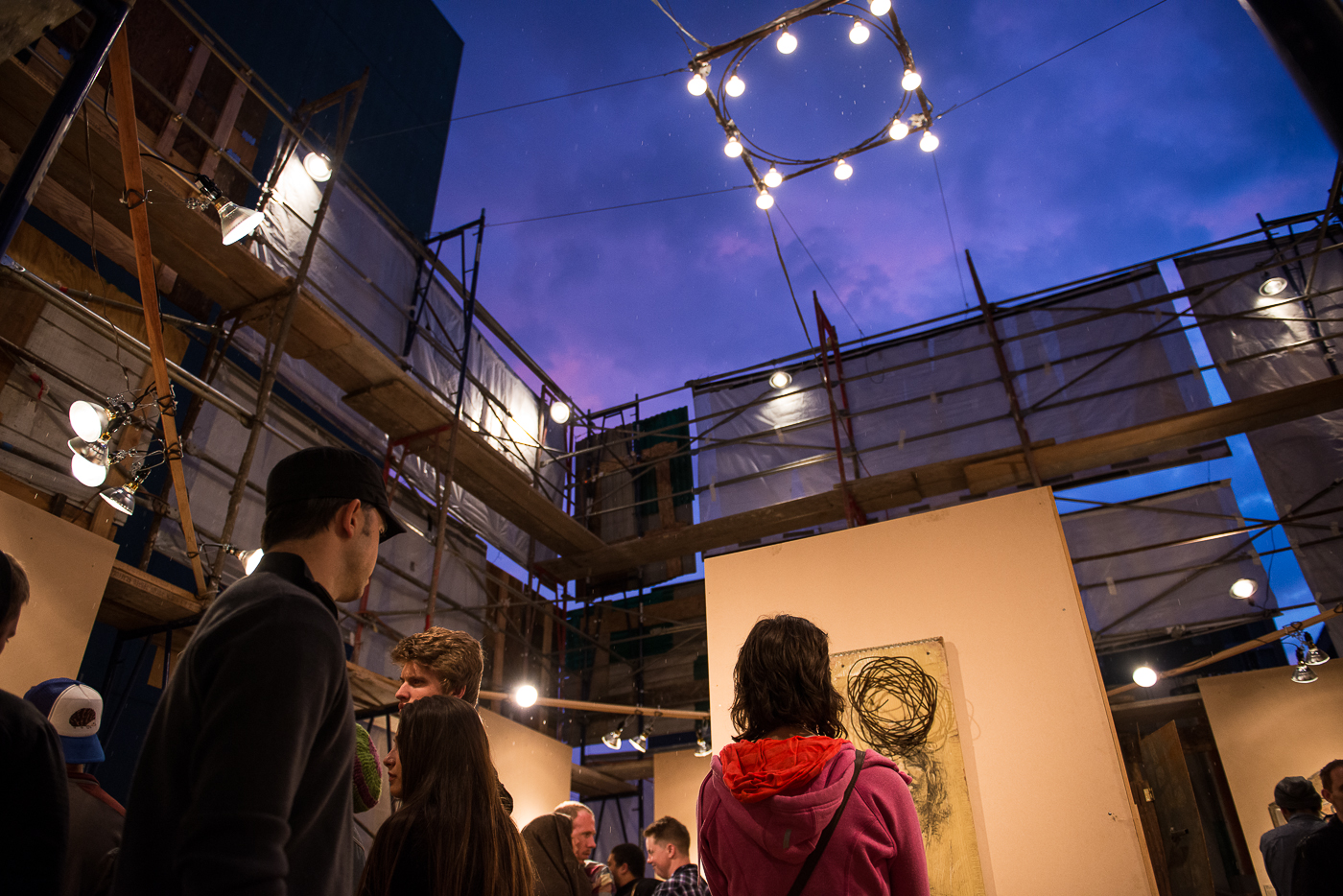
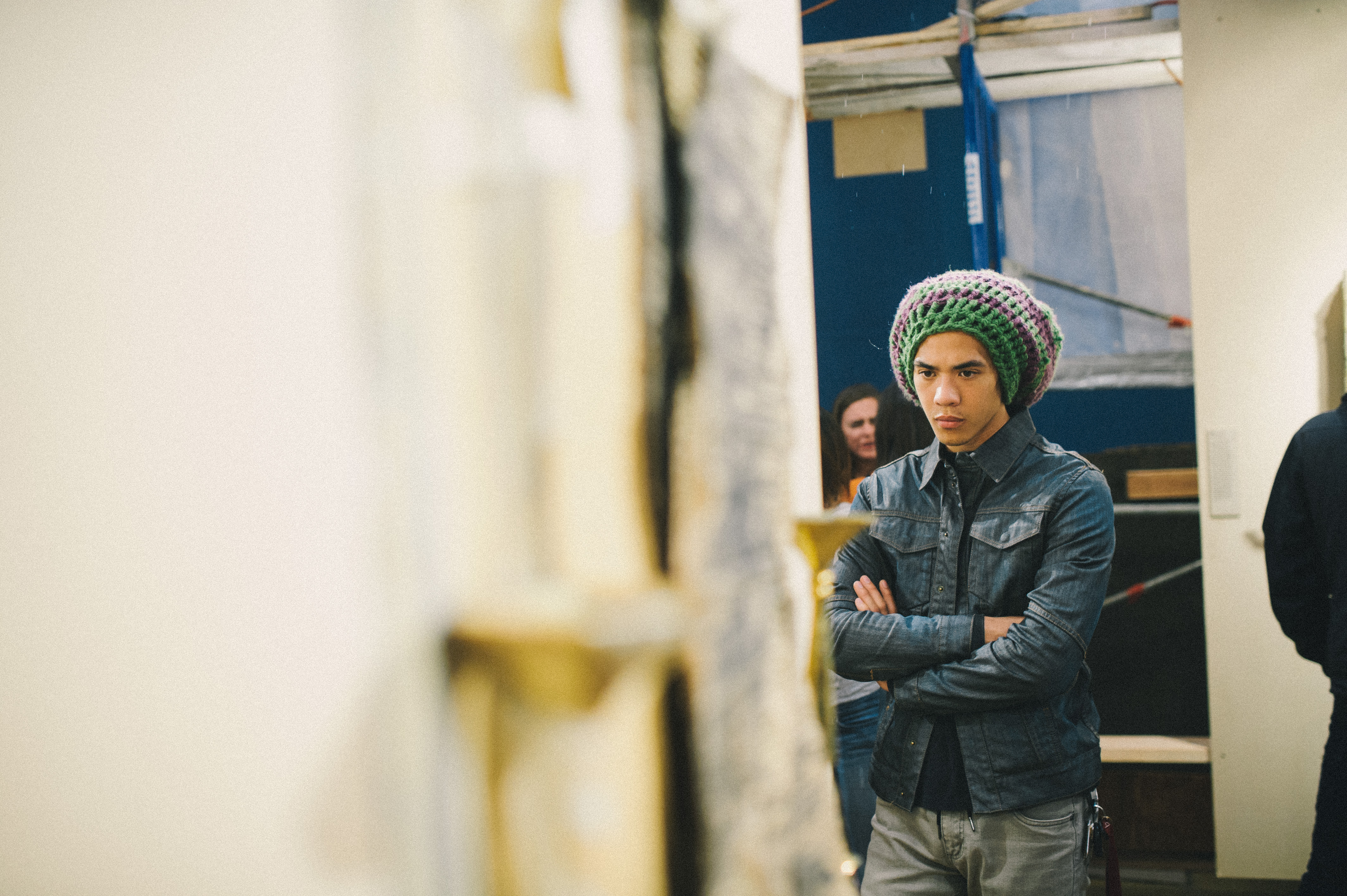
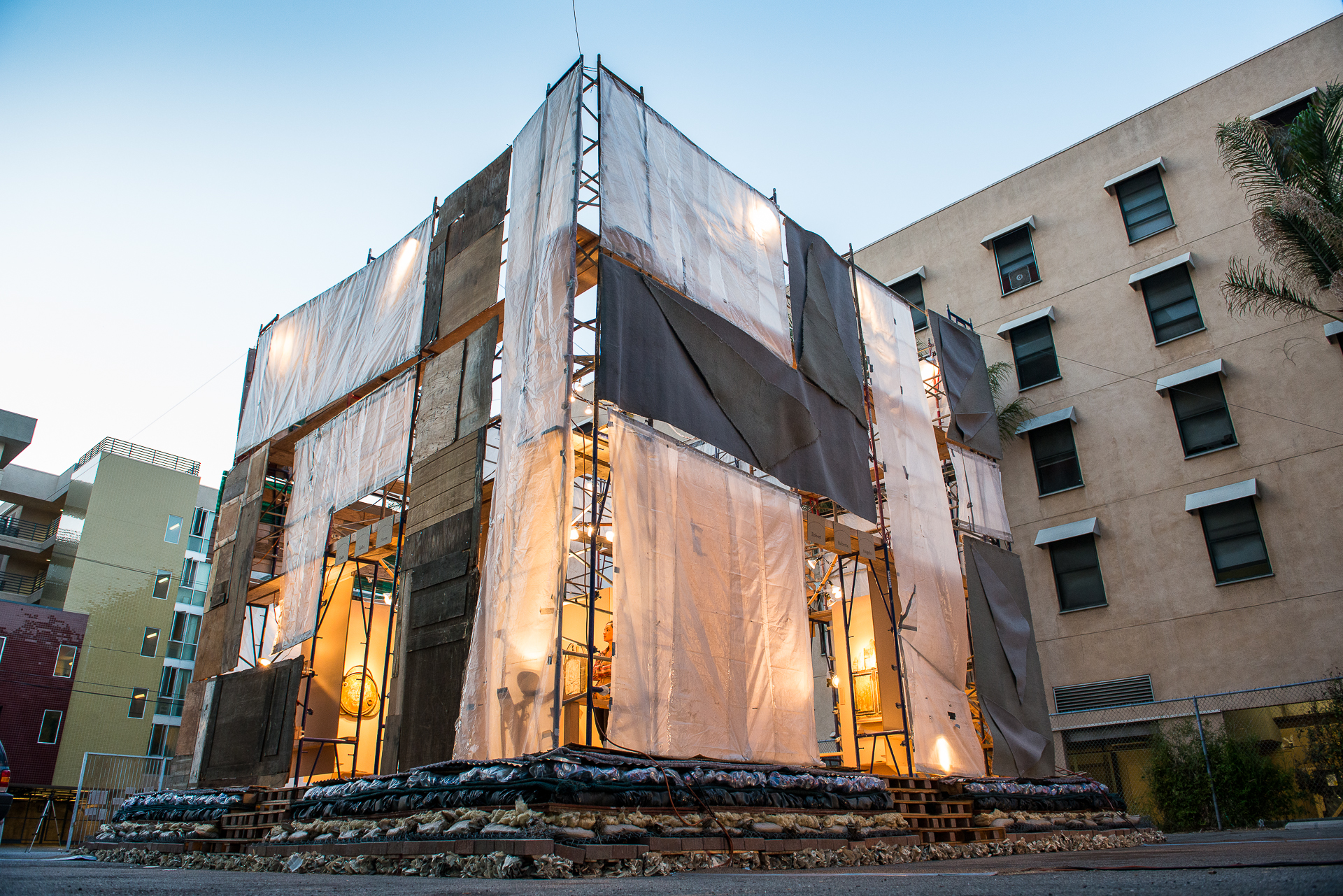
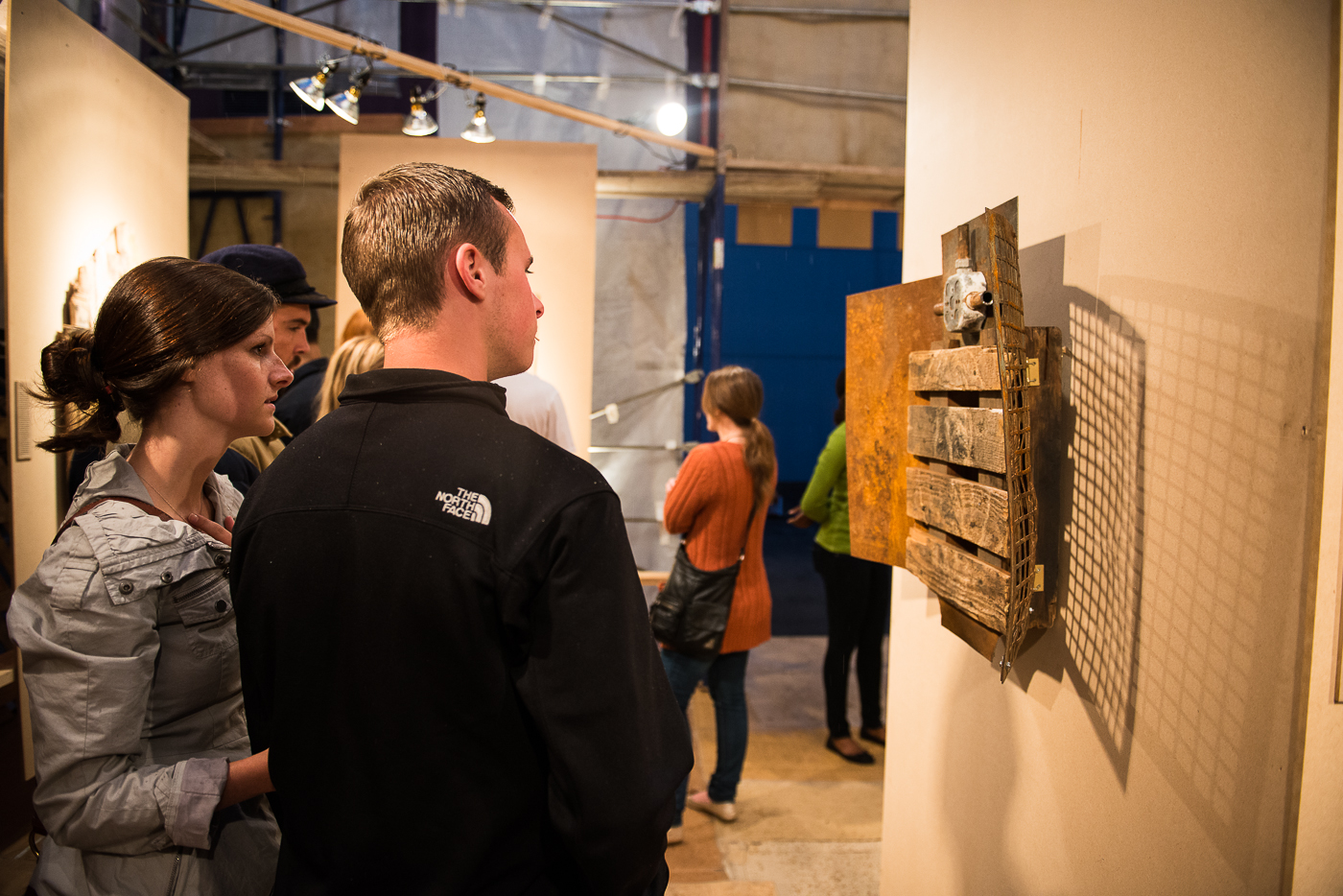
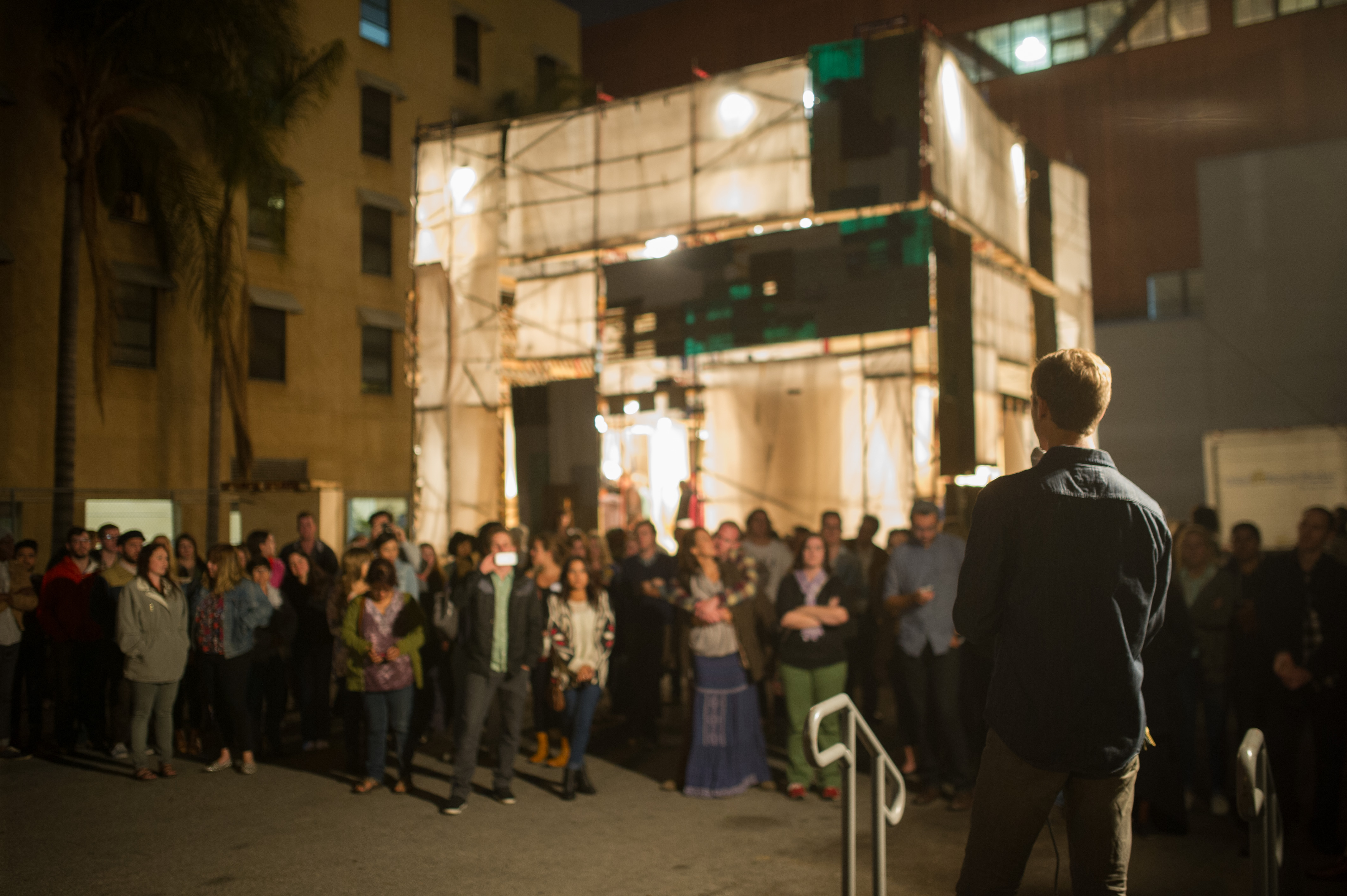
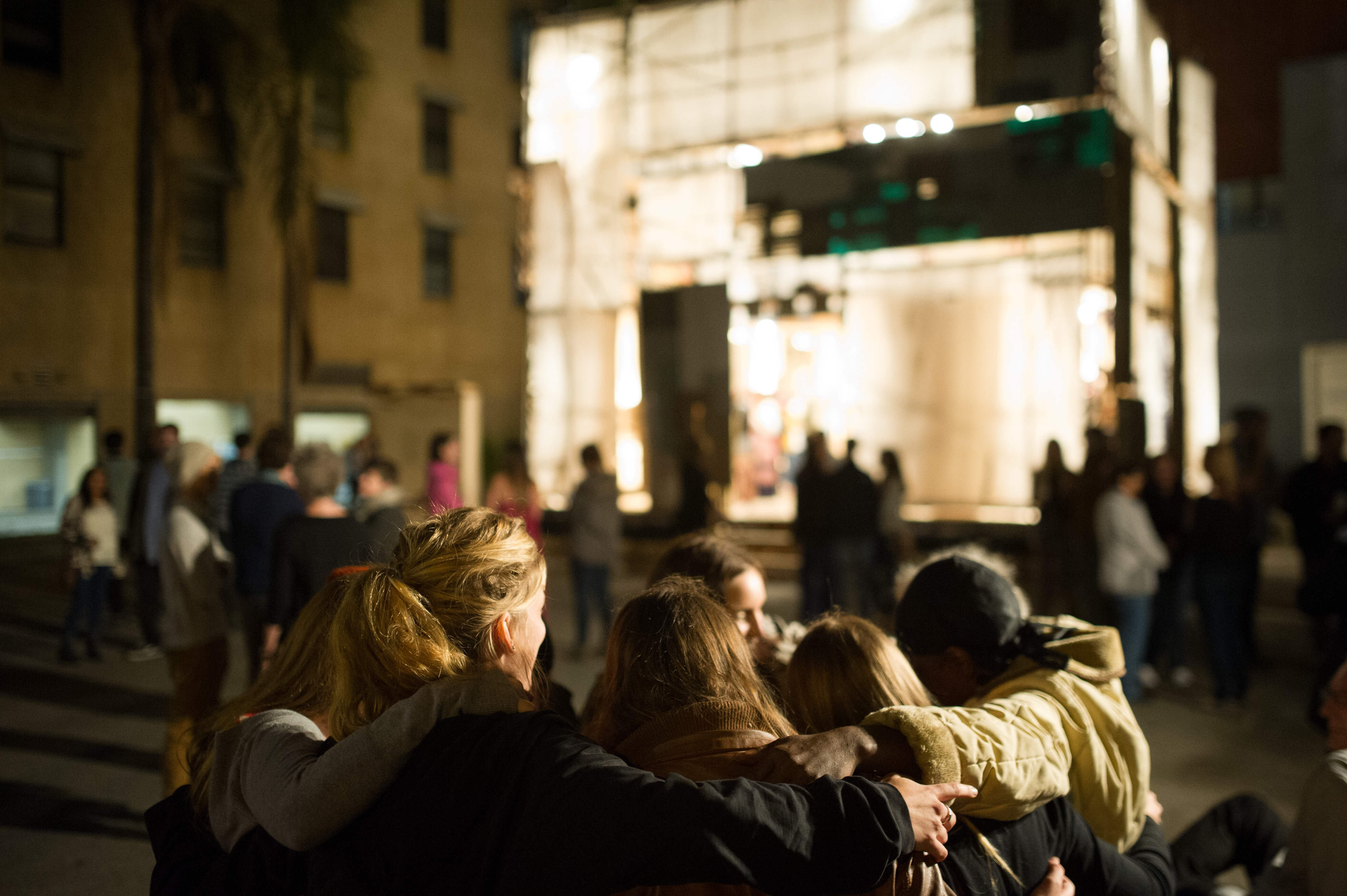
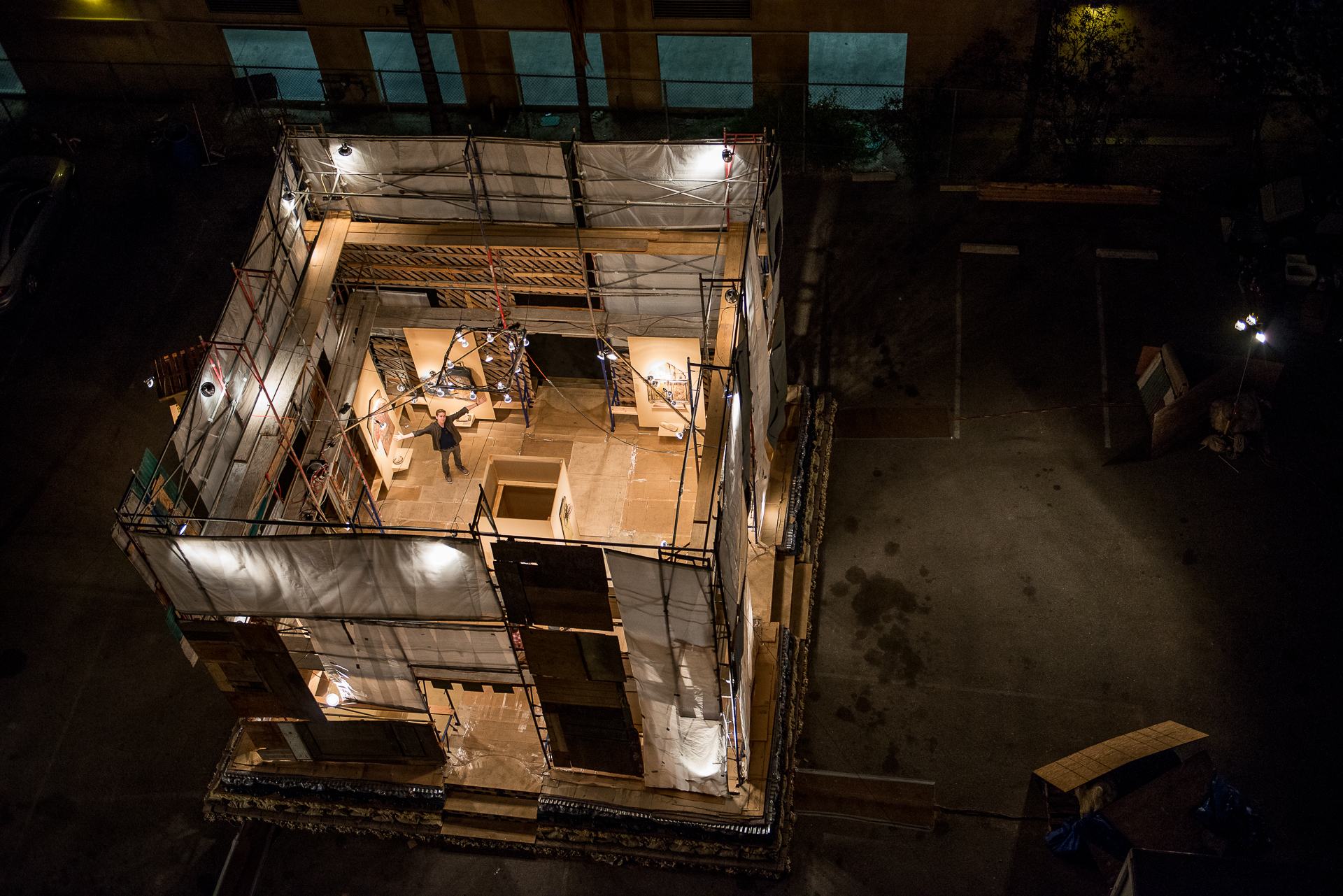
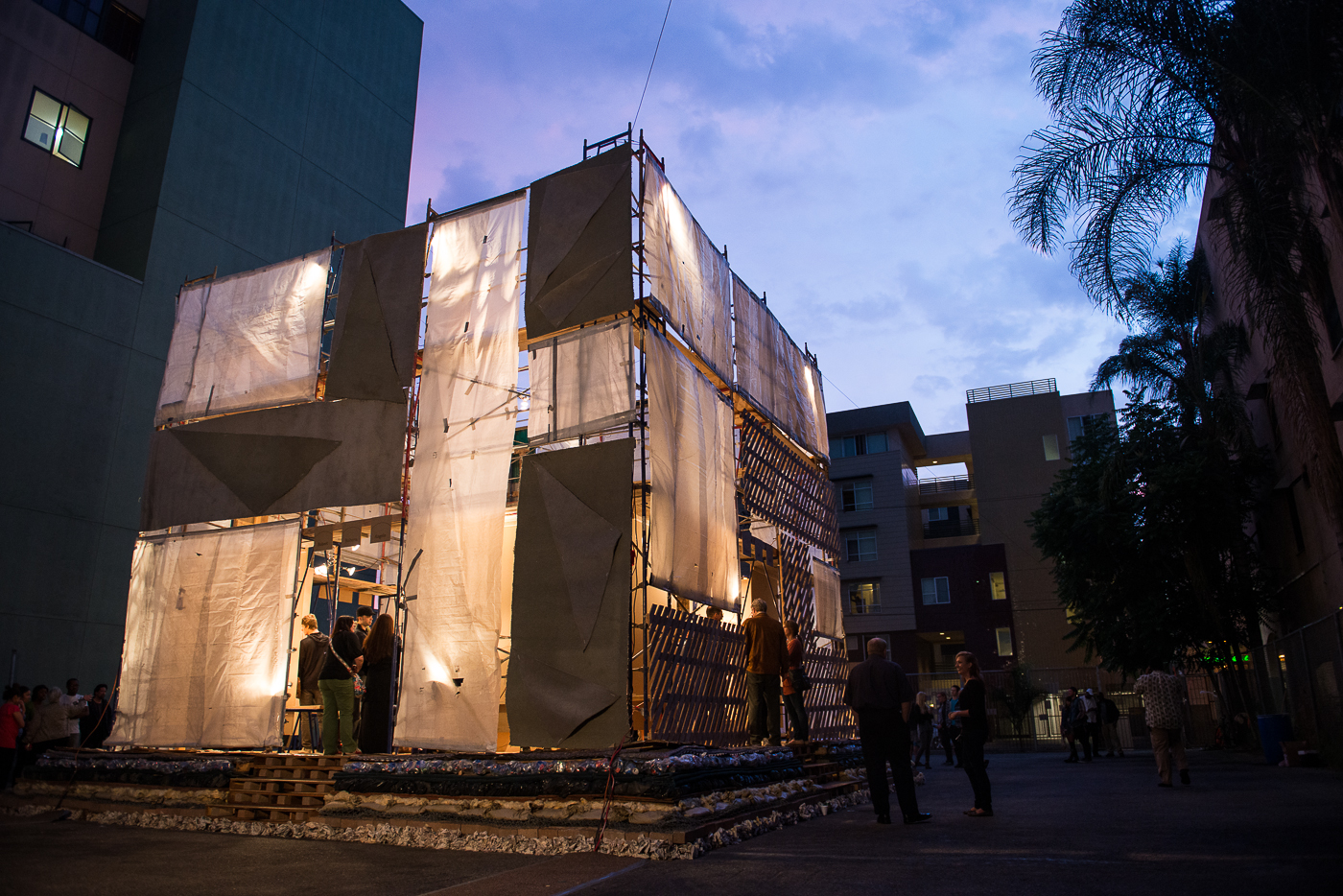
“Sacred Streets” seeks to remind us of them in a temporary outdoor installation that features twelve portraits of the homeless, as created by artist Jason Leith, “It’s all about bringing beauty and dignity to Skid Row through art,” said the artist in a video introduction on Kickstarter. “Sacred Streets” made its debut during the May 2013 Downtown Art Walk.

While arrangements for a one-night shuttle from a local parking lot were made for opening night, walking to it from Gallery Row is a planned commitment, which “Writing on the Wall” contributor Helen Ly offered to do. She made her way through Skid Row, an environment that can be intimidating for someone new to area, said Ly, who has been a downtown resident for just over five years. While walking to the installation creates a prelude for the people living in Skid Row, it’s also a way for someone who doesn’t look like they are a part of the neighborhood to be the observed. “I was being watched,” said Ly.

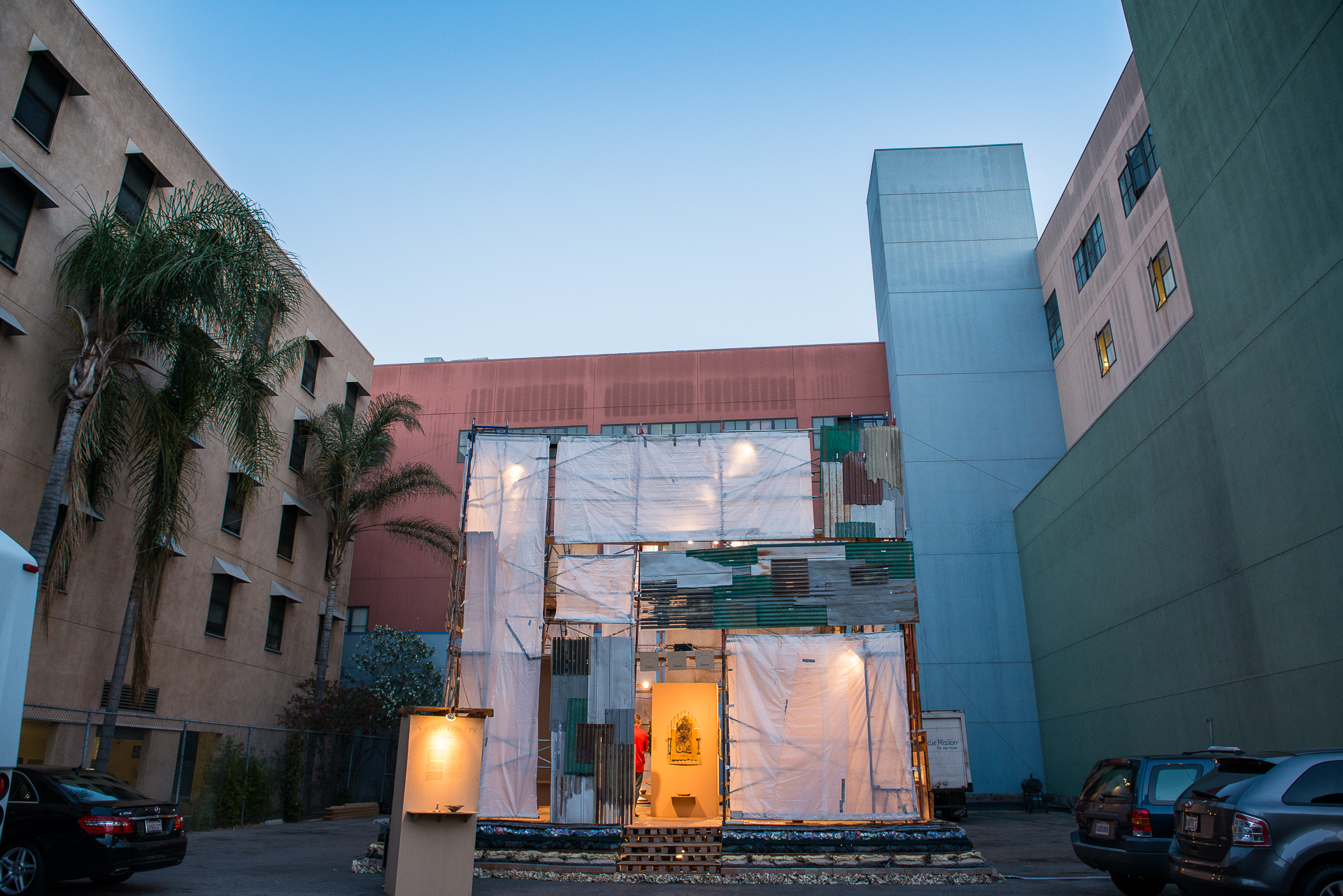
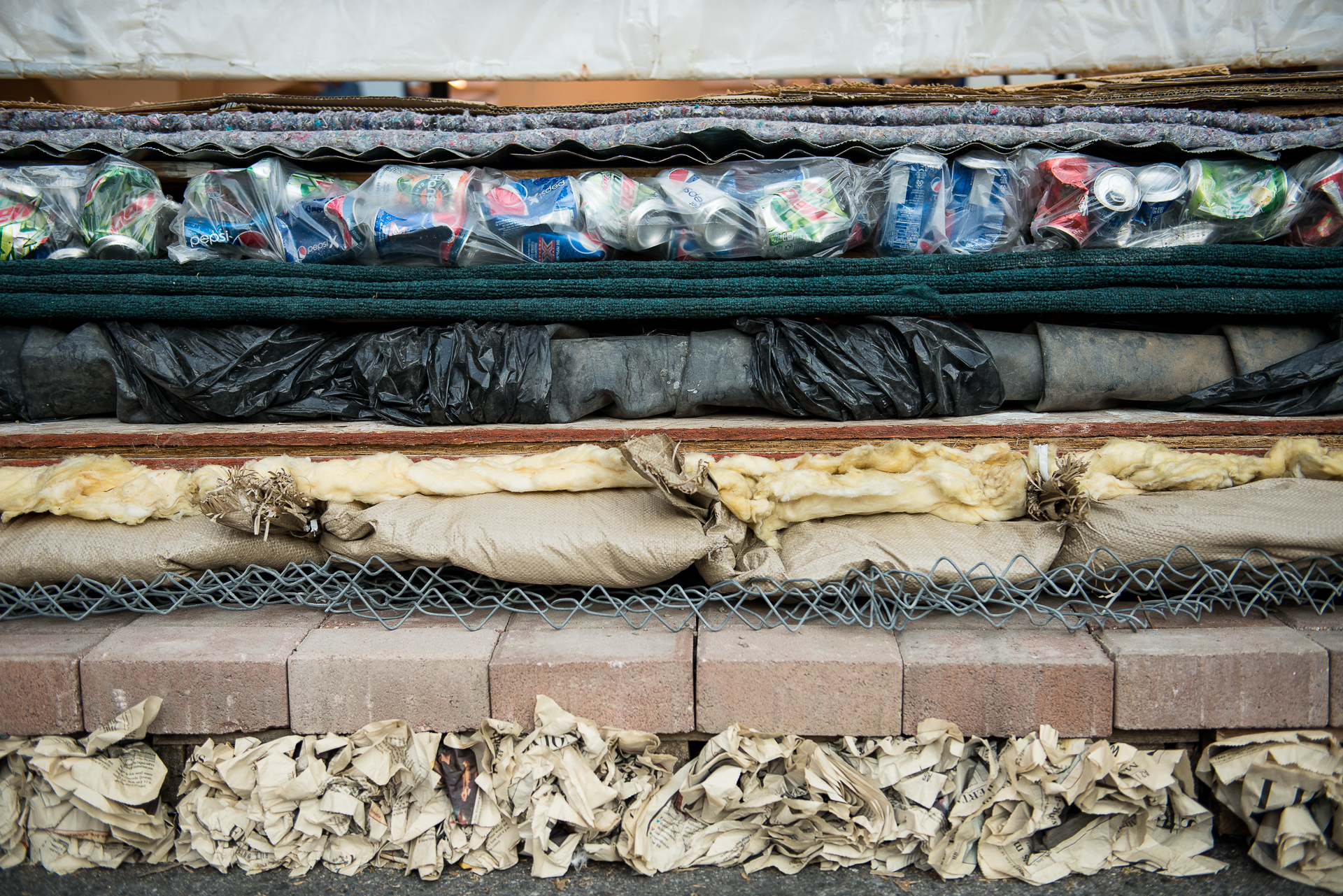
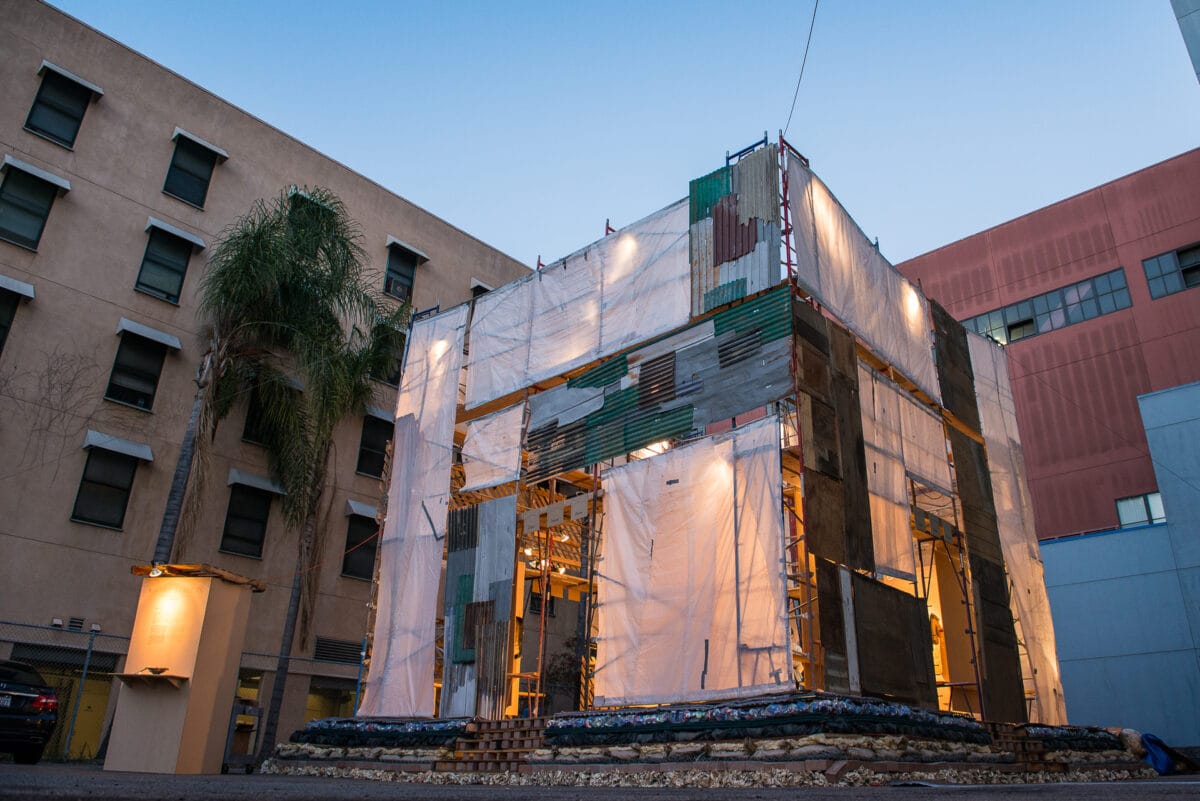
Arriving during the opening minutes of the installation’s 6 p.m. start, the materials that were once discarded, then collected and used for the portraits, were still being hung up inside the reclaimed structure that houses the exhibition.

Portraits become ghosts on reclaimed materials, as seen in the photos by Ly, making the sculptures an abstraction of people embedded, even trapped, within the street environs. Both deconstructed lives and abandoned materials that call Skid Row home are a vital storyline for the artist. “The discarded items become part of a person’s identity,” observed Ly.

In “Saul,” a man’s portrait is encased inside an abandoned suitcase with accompanying text describing the man. It is also a document. Every time Leith met Saul, he would be dragging two large suitcases with him. As with many in Skid Row, a suitcase holds all the possessions a person values, and as iconic an image as a shopping cart re-purposed as mobile storage. Now the suitcase has more resonance with tourists and guests pulling their belongings in the nearby Historic Core — a symbol of walking tourism.

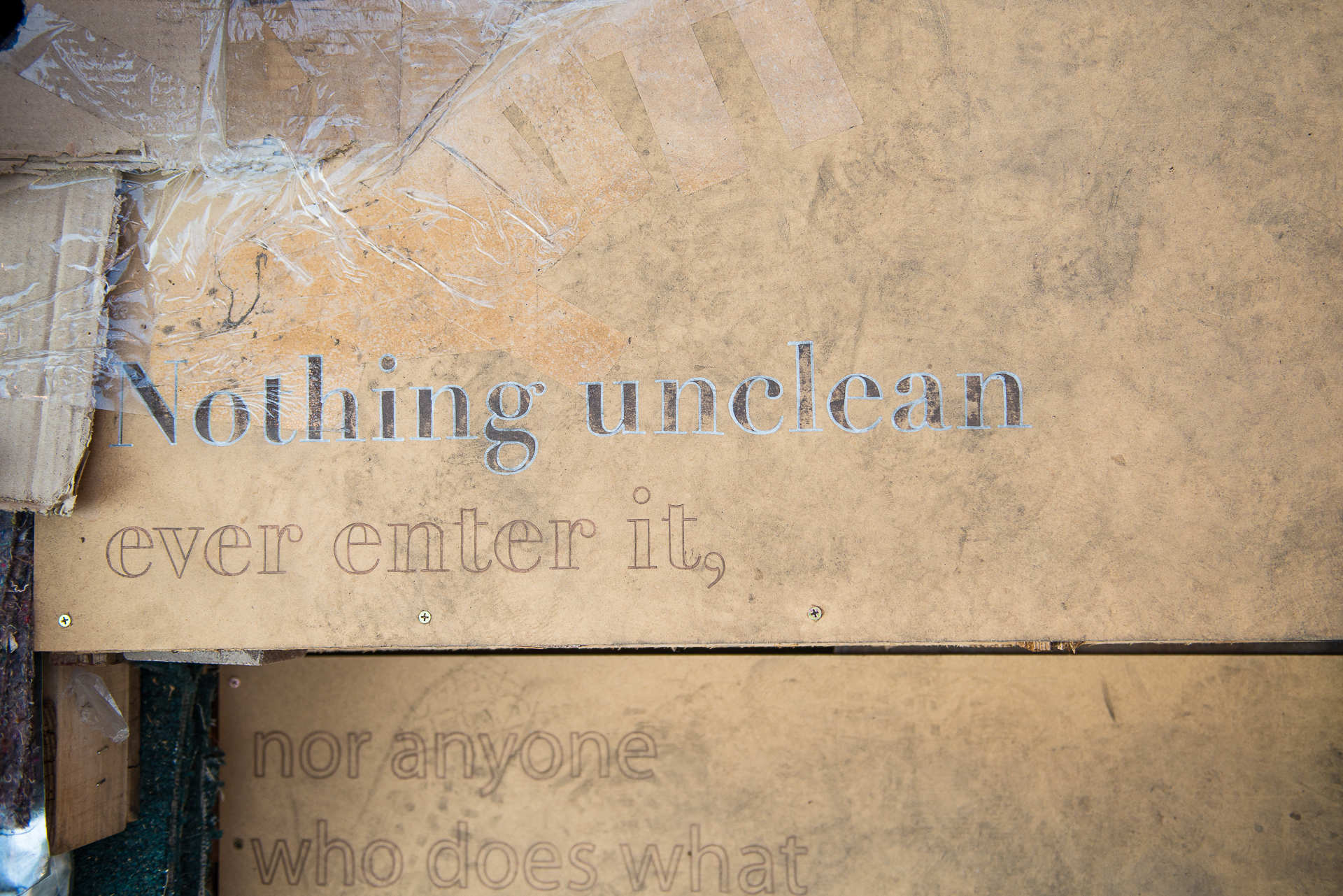
With the words “Revelation to St. John, 95 AD” carved into a step, spirituality carries religious undertones at the entry way to the installation. “I felt the exhibition permeated a much grander message that all religions could relate to,” notes Ly. “That is all things, including discarded objects, have a purpose and place.”

“Sacred Streets” is the latest way in which an artist has contributed works to remind people of Skid Row, which has longer history than any of the downtown Districts. And before the city’s core became known for its development and nightlife — now added with the revitalizing directive of Bringing Back Broadway, parklets on Spring Street, and the plans for a streetcar system in downtown — murals and public art offered similar messages as seen in “Sacred Streets.” That includes SPARC’s “What I See Can Be Me” at Fifth and Crocker, next to “A Rain Drop Falls From My Lips,” a 1993 mural by Yreina Cervantez.

RETNA’s collaboration with Estevan Oriol and The Jonah Project at Sixth and Crocker was also a powerful reminder of the people of Skid Row. A recent piece by RISK, also themed as a Skid Row art project, was designed to bring attention to a spirit of hope. What is telling is that those works, and others, are sometimes just called “Skid Row Mural,” preceded by the artists name. That makes those works a resident, not a temporary visitor.

Much can be written about that difference. Works that hope to be permanent, versus a temporary installation, can be a symbol of long- versus short-term healing. But for now the message between the two forms is simple and shared. People who live in Skid Row, and the art that responds to them, exist.

Thomas

Thomas is a straightforward man. He served in the air force back in the seventies, and since then has worked many jobs, including his current work of unloading freight from trucks. After many years living out on the streets, he now has a place to live at the local VA-funded shelter.  He is dealing with a difficult disease – thyroid cancer – yet his demeanor is not morose or filled with self-pity; I found him to be hospitable, friendly and real.  He is someone you just sense is ready for any adventure that comes his way. And, you should hear him recite Psalm 100 – he says it so fluidly, it seems like he wrote it himself: “Shout for joy to the Lord, all the earth. Worship the Lord with gladness… It is he who made us… and we are his people, the sheep of his pasture. Enter his gates with thanksgiving…For the Lord is good and his love endures forever; his faithfulness continues through all generations.” Thomas  by Jason Leith found wood, charcoal, etching, composite gold leaf available at $1850 Jason@sacredstreets.org

Biola Article on Sacred Streets (2012)

Written in 2013 while Jason was still a student at Biola University.


With a container of drawing tools in one hand and a portfolio of reclaimed materials in the other, senior art major Jason Leith walks the streets of Skid Row, looking to meet someone and draw their portrait. Leith has been doing this for the last few months. He will walk through the neighborhood for up to an hour — sometimes he meets someone, sometimes he doesn’t.

Each of these portraits will be a part of Leith’s senior show, Sacred Streets. His show will be held in a structure he and his team are building behind Union Rescue Mission, right in the heart of Skid Row. Leith’s desire is to bring art to a community that would not have access to it otherwise.

A FIVE YEAR PASSION NOW READY FOR ACTION 

Although his idea solidified last November, Leith’s passion for this type of work began long before that. While on a mission trip in India five years ago, he began to consider ways in which he could combine art and social engagement. These ideas were furthered a year and a half ago when he drew a portrait of a man living on the streets just around the corner from Biola. After five years of mulling ideas over, Leith used his senior show as a catalyst for action.

“I’m one who thinks a lot and doesn’t do as much, and so this is finally me stopping thinking and starting to do,” Leith said.

PORTRAITS GIVE A DIGNIFIED EXPERIENCE

This time, Leith meets a woman named Roberta. She agrees to let him draw her portrait. Showing her the different materials in his possession, Leith explains that he uses reclaimed materials in order to take something that has been tossed aside and turn it into something beautiful. Roberta selects the piece of cardboard for her portrait, and Leith begins to draw.

Leith hopes these portraits will be a “vessel of calling” to men and women on Skid Row. Despite their past or present experiences, he wants them to recognize the gift that is set before them.

Roberta gets cold and asks to move across the street. Once settled into the sunlight, Leith begins to draw again and asks Roberta about her life. As she tells her story, he listens carefully and asks more questions. At one point, Roberta asks if they can take a break, and she takes a few minutes to roll a new cigarette. Leith patiently waits for her, unhurried in the time he is giving to her. The essence of Leith’s project is to draw these men and women right there on the street, face to face.


“I want to figure out how art can be a vehicle for relationship and communication,” Leith said.

Leith always wants to give beauty back to those whose portraits he draws. Sometimes, he gives them his initial sketch; other times, he finishes the portrait in his studio and brings it back to them. When he works back in his studio, his portraits constructed of reclaimed materials begin to “take on symbols of sacredness and holiness.” Even in the initial drawing, he will often have them sit in a way that emphasizes their dignity.

Through this process, Leith hopes that these men and women will feel seen, heard and loved. His desire is that they will see themselves in a new way. Leith also wants to see what it’s like to give back with non-material items, such as beauty and community.

“They get food and clothes from people all the time … I think giving them a dignified experience — they’re being turned into a piece of art, and feeling seen — can change those material situations as well,” Leith said.

CREATING ART THAT PARALLELS CHRIST’S CALL

Freshman art major Jessica Byrd, one of Leith’s five interns, sees the ways that he is exploring how portraiture can reach people both emotionally and spiritually. She sees parallels between Christ’s living and walking with people to share the gospel and Leith’s actions on Skid Row.

“Jason lives and walks with these people — and he draws them,” Byrd said.

Even a month out from the gallery opening, Leith is already seeing the fruit of his labor. About three weeks ago, Leith drew the portrait of a man named Robert. Having been addicted to crack cocaine for most of his life, Robert had wanted to tell his stories about the horrors of addiction.

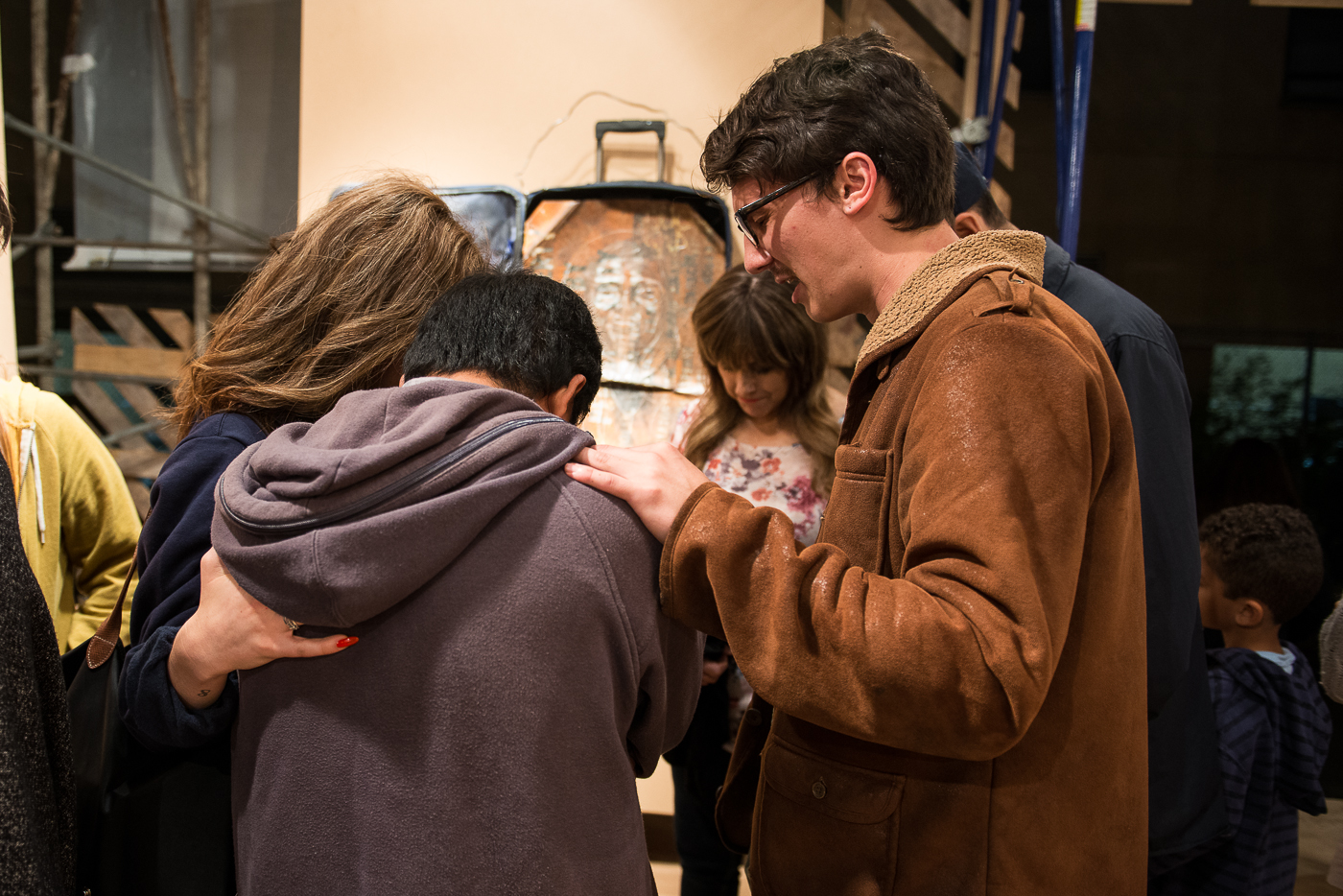
After meeting up with Robert for two portrait sessions, Leith prayed with him, asking that the Holy Spirit would give him power to turn his life around. Just over a week later, Leith got a call from Robert. Robert had put himself into a rehabilitation program and had been clean for 72 hours. He said that he finally saw the truth in himself for the first time — all because of Leith’s portrait.

Despite learning about moments like these, Leith has never viewed this project as his own, Byrd said.

“We keep going back to — this is God’s project and he’s had it since the beginning… That’s always been [at the] forefront in Jason’s mind,” Byrd said.

Sophomore art major Hannah Efron, another one of Leith’s interns, says that Leith continues to remain humble through it all. She sees the enormous amount of effort he puts in for the glory of God.


“The time he’s putting into it — that’s sacrificial love,” Efron said.

Leith hopes that Sacred Streets will continue in a long-term capacity, in one way or another. He thinks it has the ability travel to different areas — even allowing for different artists to work with different mediums.

“Sacred Streets has a life of its own,” he said.

Back on Skid Row, Roberta starts to get tired and asks Leith if he can come back to finish. When he shows her what he has so far, she is thrilled. Leith explains to her that he will complete it in his studio and bring it back. Roberta says that she will be in the same place where they met.

Portrait Brings Robert off the Streets

Today, I received a phone call from Robert, the man with the headphones featured in the video, and he told me that he has put himself into a program and has been clean for a few days! He said that it was because of the portrait I drew of him that he decided to turn his life around.Continue reading